Porcellio Scaber (grey)
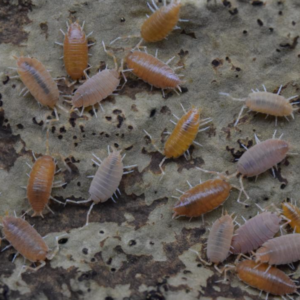
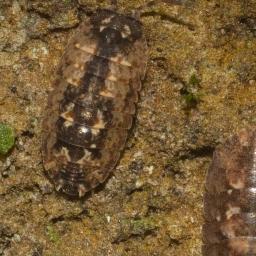
Grey Isopods (Porcellio scaber “Grey”) are the classic wild-type form of the common rough woodlouse. Recognised for their slate-grey colouration, elongated body and distinctive rough-textured exoskeleton, these hardy terrestrial isopods are one of the most popular choices for bioactive enclosures, naturalistic terrariums and dedicated isopod collections.
Their understated grey colouration provides excellent camouflage among bark, soil and leaf litter, while their active behaviour and adaptability make them an excellent species for both beginner and experienced keepers.
Scientific Classification
- Scientific Name: Porcellio scaber
- Genus: Porcellio
- Family: Porcellionidae
- Common Name: Grey Isopod, Rough Woodlouse
- Morph: “Grey” / Wild Type
- Type: Terrestrial Isopod
Appearance
Grey Isopods have the characteristic elongated and heavily segmented appearance associated with Porcellio scaber.
Key features include:
- Slate grey to charcoal colouration
- Occasional lighter mottling
- Medium-sized elongated body
- Rough, textured exoskeleton
- Prominent segmented body plates
- Flattened body shape
- Active, elongated appearance
Unlike pillbug species, Porcellio scaber does not roll into a tight ball when disturbed. Instead, it generally relies on movement, concealment and shelter for protection.
Their natural grey colouration blends particularly well into leaf litter, bark, soil and decaying wood.
Natural Background
Porcellio scaber is a widespread terrestrial isopod species originally associated with Europe and is now established across many regions around the world.
They are commonly found in environments containing moisture, shelter and decomposing organic material, including:
- Gardens
- Woodland areas
- Leaf litter
- Compost
- Beneath logs
- Under rocks and bark
- Decaying vegetation
The Grey Isopod represents the natural wild-type colouration of Porcellio scaber, rather than a selectively bred colour morph.
Behaviour
Grey Isopods are active, resilient and highly effective detritivores.
They spend much of their time moving through leaf litter, beneath bark and across the substrate while searching for food and shelter. Activity often increases during darker periods or when the enclosure is less disturbed.
Their natural diet consists primarily of decomposing organic material, including:
- Decaying leaves
- Rotting wood
- Dead plant material
- Vegetable matter
- Organic debris
When disturbed, Grey Isopods typically move quickly towards cover rather than curling into a protective ball.
Grey Isopod Care
One of the biggest advantages of Porcellio scaber is its hardy and adaptable nature. This makes Grey Isopods particularly suitable for beginners while still being a useful species for experienced isopod keepers.
A suitable enclosure should provide:
- A moisture gradient
- Access to both moist and drier areas
- Good ventilation
- Plenty of dried leaf litter
- Decaying hardwood
- Cork bark or other natural hides
- Organic-rich substrate
- A reliable calcium source
Maintaining a moisture gradient allows the colony to regulate its exposure to moisture by moving between different areas of the enclosure.
Avoid keeping the entire enclosure constantly saturated. Good ventilation and access to drier areas are important for maintaining a healthy colony.
Feeding
Dried leaf litter and decaying hardwood should form the foundation of a Grey Isopod colony’s diet.
Additional foods can be provided periodically, including:
- Specialist isopod diets
- Vegetables
- Suitable protein sources
- Other appropriate organic foods
A continuous calcium source should also be available to support healthy exoskeleton development and moulting.
Bioactive Cleanup Crew
Grey Isopods are an excellent bioactive cleanup crew for suitable naturalistic enclosures.
As detritivores, they help break down decomposing organic material such as:
- Fallen leaves
- Dead plant matter
- Decaying wood
- Organic debris
Their feeding and movement through the substrate contribute to the natural decomposition process, making them a useful addition to bioactive terrariums and vivariums.
Their neutral grey colouration also allows them to blend naturally into woodland-style and leaf-litter-based enclosures.
Breeding & Colony Growth
Porcellio scaber is well known for its ability to reproduce successfully under suitable captive conditions. With adequate food, shelter, calcium and appropriate moisture, Grey Isopods can establish large and productive colonies.
Providing abundant leaf litter and decaying hardwood gives the colony a reliable long-term food source, while bark and other hides provide additional shelter.
As the colony develops, multiple generations can establish within the enclosure, creating a self-sustaining population when conditions are maintained correctly.
Why Keep Grey Isopods?
Grey Isopods (Porcellio scaber “Grey”) are an excellent choice for anyone looking for a classic, hardy and productive terrestrial isopod.
Key features:
- Natural wild-type colouration
- Slate grey to charcoal appearance
- Distinctive rough-textured exoskeleton
- Hardy and adaptable species
- Active terrestrial isopod
- Efficient detritivore
- Excellent bioactive cleanup crew
- Strong colony-building potential
- Straightforward care requirements
- Suitable for beginners and experienced keepers
- Ideal for naturalistic terrariums
With their classic grey colouration, active behaviour and exceptional adaptability, Grey Isopods (Porcellio scaber “Grey”) are a reliable and attractive choice for bioactive enclosures, naturalistic terrariums and dedicated isopod collections.