Giant Canyon Isopods (Porcellio dilatatus)
Giant Canyon Isopods (Porcellio dilatatus) are large, hardy and active terrestrial isopods popular among bioactive keepers and isopod enthusiasts. Known for their broad, flattened body shape and impressive size, these fascinating isopods make an excellent addition to naturalistic terrariums, bioactive enclosures and dedicated isopod colonies.
Porcellio dilatatus is valued for its resilience, strong appetite and active behaviour. Unlike pill bugs that can roll into a tight defensive ball, Giant Canyon Isopods do not fully conglobate. Instead, they rely on their speed and ability to retreat beneath natural cover when disturbed.
Scientific Classification
- Scientific Name: Porcellio dilatatus
- Genus: Porcellio
- Family: Porcellionidae
- Common Name: Giant Canyon Isopod
- Type: Large Terrestrial Isopod
Appearance
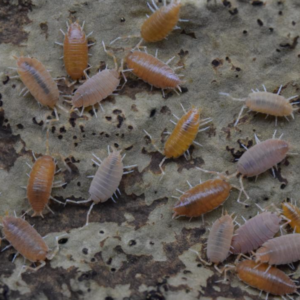
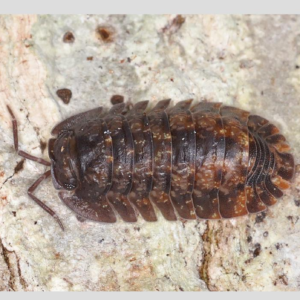
Giant Canyon Isopods are a relatively large and robust species of terrestrial isopod with a broad, flattened body.
They feature:
- Large, broad body shape
- Slate grey to brown colouration
- Prominent segmented exoskeleton
- Matte or lightly textured body surface
- Multiple pairs of active walking legs
- Elongated appearance compared with rounded pill bugs
- Inability to fully roll into a tight ball
Their flattened body shape allows them to move efficiently through leaf litter, beneath bark and around other natural hiding places.
Habitat
Porcellio dilatatus can be found in a variety of sheltered environments containing suitable moisture and organic material.
Typical microhabitats can include:
- Leaf litter
- Beneath logs and stones
- Decaying timber
- Compost and organic debris
- Gardens and other disturbed habitats
- Moist areas containing decomposing plant material
They benefit from access to both moisture and dry areas, allowing them to select the conditions they prefer within their enclosure.
Behaviour
Giant Canyon Isopods are primarily nocturnal and active, often remaining concealed during the day before becoming more active after dark.
They are efficient detritivores, feeding on decomposing organic material such as:
- Decaying leaves
- Rotting wood
- Vegetable matter
- Fungi
- Other decomposing organic material
Unlike pill bugs, Giant Canyon Isopods do not defend themselves by completely rolling into a ball. When disturbed, they are more likely to move quickly towards shelter or attempt to conceal themselves.
Giant Canyon Isopod Care
Giant Canyon Isopods are hardy and adaptable, making them an excellent choice for both newer and experienced isopod keepers.
A suitable enclosure should provide:
- A moist area
- A drier area to create a moisture gradient
- Deep, organic-rich substrate
- Plenty of dried leaf litter
- Decaying or softened hardwood
- Cork bark and other natural hiding places
- Good ventilation
- A calcium source
Maintaining a moisture gradient is important because it allows the isopods to move between more humid and drier areas as required.
The enclosure should remain well ventilated rather than being constantly saturated with moisture.
Feeding
A constant supply of dried leaf litter and decaying wood should form the foundation of their diet.
Additional foods can be offered periodically, including:
- Specialist isopod foods
- Suitable protein sources
- Vegetables
- Other appropriate organic foods
A calcium source should also be provided to support healthy exoskeleton development and moulting. Cuttlebone and other suitable calcium sources can be used.
Bioactive Cleanup Crew
Giant Canyon Isopods are well suited to bioactive terrariums and naturalistic enclosures because of their active detritivore lifestyle.
As part of a bioactive cleanup crew, they help process:
- Decaying leaves
- Dead plant material
- Rotting wood
- Organic waste
Their feeding activity contributes to the breakdown of organic matter and nutrient cycling within the substrate.
Breeding & Colony Growth
With appropriate conditions, Porcellio dilatatus can establish and maintain breeding colonies in captivity.
Providing abundant leaf litter, decaying wood, suitable moisture, calcium and plenty of shelter can encourage natural colony growth.
Once established, colonies can gradually increase in number as environmental conditions remain stable.
Why Keep Giant Canyon Isopods?
Giant Canyon Isopods (Porcellio dilatatus) are an excellent choice for keepers looking for a large, active and hardy terrestrial isopod.
Key features:
- Large and robust body
- Active terrestrial isopod
- Hardy and adaptable
- Excellent detritivore
- Suitable for bioactive terrariums
- Useful cleanup-crew species
- Interesting nocturnal behaviour
- Does not roll into a tight ball
- Can establish breeding colonies
- Fascinating addition to an isopod collection
With their impressive size, active behaviour and hardy nature, Giant Canyon Isopods (Porcellio dilatatus) are a fantastic choice for naturalistic enclosures, bioactive terrariums and dedicated terrestrial isopod collections.