Skeletor Pillbugs
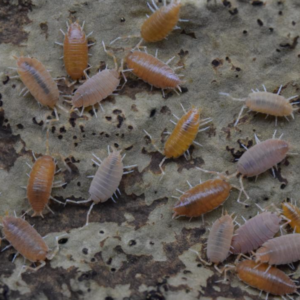
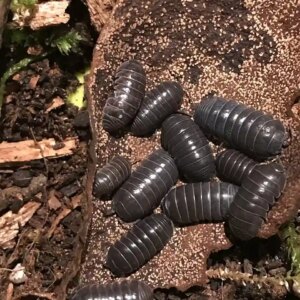
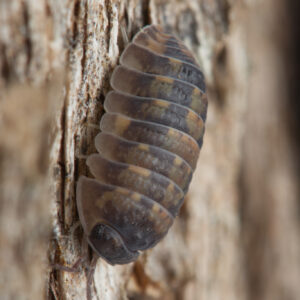
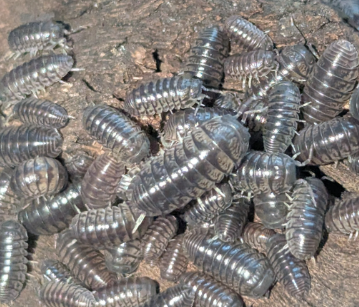
Skeletor Pillbugs are a distinctive type of terrestrial isopod sought after by invertebrate enthusiasts for their unusual appearance and interesting behaviour. Also known in the hobby as Skeletor Isopods, they are a great option for keepers looking to expand a collection of unusual isopods or establish a small clean-up crew.
Unlike insects, pillbugs are terrestrial crustaceans related to crabs and prawns. They play an important role in breaking down decaying organic matter, helping recycle nutrients within their environment. Their small size, fascinating behaviour and relatively straightforward care make them appealing to specialist invertebrate keepers.
The name “Skeletor” is a hobby or trade name, so the exact species identification should be confirmed with the supplier before assigning a formal scientific name.
Scientific Classification
- Common name: Skeletor Pillbugs
- Hobby name: Skeletor Isopods
- Order: Isopoda
- Suborder: Oniscidea
- Type: Terrestrial isopod
- Scientific name: Identification not confirmed
Appearance
Skeletor Pillbugs are known in the invertebrate hobby for their distinctive look, which makes them an interesting addition to an isopod collection. Their segmented exoskeleton, multiple pairs of legs and small antennae are characteristic of terrestrial isopods.
Exact colouration, body shape and adult size depend on the species being sold under this trade name. Check the appearance of your particular stock before adding specific colour or size claims to the listing.
Behaviour
Like other terrestrial isopods, Skeletor Pillbugs are generally most active in sheltered, humid environments. They explore their enclosure in search of decaying plant material, suitable hiding places and food.
They are useful decomposers and can help process leaf litter and other organic matter. Depending on their exact species, their defensive behaviour may include curling up, hiding or moving quickly when disturbed.
Care Requirements
Skeletor Pillbugs need a well-ventilated enclosure that retains moisture while providing a drier area for the colony to regulate its conditions.
A suitable setup should include:
- A secure, ventilated container
- Moisture-retaining substrate containing suitable organic material
- Leaf litter as a food source and ground cover
- Cork bark or other hides
- A moisture gradient, with one side kept damper than the other
- A calcium source to support healthy exoskeleton development
Avoid direct sunlight, excessive heat and waterlogged substrate. Maintain good ventilation and ensure the colony always has access to a suitably moist refuge.
Feeding
Skeletor Pillbugs primarily require decaying plant material and leaf litter as part of their diet. Additional foods may include small amounts of vegetables and suitable isopod food.
Offer food in moderation and remove uneaten fresh food before it spoils. A varied diet, a steady supply of leaf litter and access to calcium help support a healthy colony.
Breeding and Growth
Terrestrial isopods grow by moulting their exoskeleton. Females carry developing young in a specialised pouch beneath the body, known as a marsupium.
Breeding rates depend on the species, temperature, moisture, food availability and colony maturity. Provide stable conditions and plenty of shelter to help the colony establish and reproduce.
Why Keep Skeletor Pillbugs?
Skeletor Pillbugs are an appealing choice for collectors interested in unusual isopods and maintaining diverse terrestrial invertebrate colonies. They can also contribute to the decomposition of organic material in suitable bioactive setups.
With appropriate moisture, ventilation, food and shelter, these isopods can be a rewarding addition to a specialist collection.