Wildtype Armadillidium Vulgare Australian Isopod
Wild Type Armadillidium vulgare Isopods are a classic terrestrial isopod species commonly known as the common pillbug, common pill woodlouse or roly-poly. Recognised for their rounded, armoured bodies and ability to curl into a protective ball when disturbed, these hardy isopods are an excellent choice for both beginners and experienced keepers.
Their natural grey, brown and mottled colouration gives Wild Type Armadillidium vulgare a classic isopod appearance. Their active behaviour, interesting defensive response and relatively straightforward care requirements make them a popular species for bioactive enclosures, naturalistic terrariums and dedicated isopod collections.
Scientific Classification
- Scientific Name: Armadillidium vulgare
- Genus: Armadillidium
- Family: Armadillidiidae
- Common Names: Common Pillbug, Common Pill Woodlouse, Roly-Poly
- Type: Terrestrial Isopod
Appearance
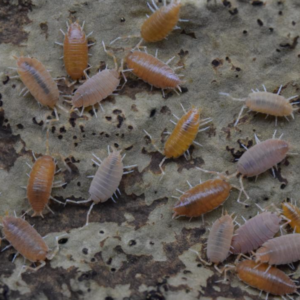
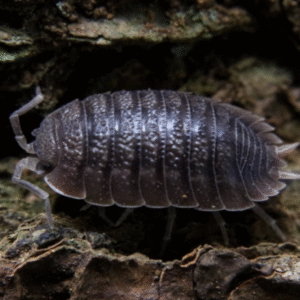
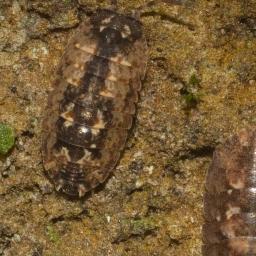
Wild Type Armadillidium vulgare have the distinctive rounded and heavily armoured appearance associated with pillbugs.
Their appearance can include:
- Grey, brown or mottled colouration
- Rounded, oval-shaped body
- Flattened underside
- Clearly segmented exoskeleton
- Overlapping body plates
- Short legs beneath the body
- Smooth to lightly textured exoskeleton
One of their most recognisable features is their ability to curl completely into a ball when threatened. This defensive behaviour is known as conglobation and provides protection by allowing the hard exoskeletal plates to shield the softer underside of the animal.
Natural Background
Armadillidium vulgare is a widespread terrestrial isopod species that has become established across many parts of the world.
They are commonly associated with environments containing moisture, shelter and decomposing organic material, including:
- Gardens
- Woodlands
- Leaf litter
- Under logs and stones
- Compost
- Decaying vegetation
- Areas with organic-rich soil
Like other terrestrial isopods, Armadillidium vulgare is highly adapted to life on land while still requiring access to moisture for successful respiration.
Behaviour
Wild Type Armadillidium vulgare are generally active and interesting to observe, particularly when kept in established colonies.
They spend much of their time moving through leaf litter, beneath bark and around the substrate while searching for food and shelter. Activity often increases during darker periods or when the enclosure is less disturbed.
When threatened, they display their characteristic conglobation behaviour, curling into a tight ball to protect their vulnerable underside.
This defensive behaviour makes Armadillidium vulgare particularly fascinating for keepers interested in observing natural isopod behaviour.
Wild Type Armadillidium vulgare Care
Armadillidium vulgare is considered a hardy and adaptable terrestrial isopod, making it a popular choice for keepers who are new to the hobby.
A suitable enclosure should provide:
- A moisture gradient
- Access to both moist and drier areas
- Good ventilation
- Plenty of dried leaf litter
- Decaying hardwood
- Cork bark or other natural hides
- Organic-rich substrate
- A reliable calcium source
Maintaining a moisture gradient is important because the colony should be able to move between areas with different moisture levels.
The enclosure should not be kept constantly saturated. Good ventilation and access to drier areas help create a more suitable environment.
Feeding
Dried leaf litter should form the foundation of a Wild Type Armadillidium vulgare colony’s diet.
They naturally consume decomposing plant material and other organic matter, including:
- Dried leaves
- Decaying hardwood
- Dead plant material
- Vegetable matter
- Organic debris
Supplementary foods can also be provided periodically, including specialist isopod diets and suitable protein sources.
A consistent calcium source should be available to support healthy exoskeleton development and moulting.
Bioactive Cleanup Crew
Wild Type Armadillidium vulgare are excellent bioactive cleanup crew organisms.
As detritivores, they help break down decomposing organic material within naturalistic enclosures. Their feeding activity contributes to the decomposition process and helps recycle nutrients within the substrate.
They can be used in:
- Bioactive terrariums
- Naturalistic vivariums
- Isopod display enclosures
- Reptile and amphibian enclosures where appropriate
- Dedicated invertebrate habitats
Their hardiness and ability to establish colonies make them a practical and attractive addition to suitable bioactive setups.
Breeding & Colony Growth
Under suitable captive conditions, Armadillidium vulgare can establish and maintain productive colonies.
Providing adequate food, shelter, calcium and access to appropriate moisture allows the colony to continue developing over time.
A well-established colony can contain multiple generations, making Wild Type Armadillidium vulgare an interesting species for keepers who enjoy observing natural colony behaviour and reproduction.
Why Keep Wild Type Armadillidium vulgare?
Wild Type Armadillidium vulgare Isopods are an excellent choice for anyone looking for a classic, hardy and fascinating terrestrial isopod.
Key features:
- Classic wild-type isopod appearance
- Grey, brown and mottled colouration
- Rounded, armoured body
- Famous ability to curl into a protective ball
- Hardy and adaptable species
- Active detritivore
- Excellent bioactive cleanup crew
- Straightforward care requirements
- Good colony-building potential
- Fascinating natural behaviour
- Suitable for beginners and experienced keepers
With their classic pillbug appearance, impressive defensive behaviour and useful role as decomposers, Wild Type Armadillidium vulgare are a fantastic addition to bioactive enclosures, naturalistic terrariums and dedicated isopod collections.