Selenotypus Plumipes
The Selenotypus Plumipes is an impressive Australian tarantula known for its robust build, distinctive appearance and terrestrial lifestyle. Belonging to the Australian genus Selenotypus, this species is a fascinating choice for collectors interested in specialist Australian tarantulas and unique native invertebrate species.
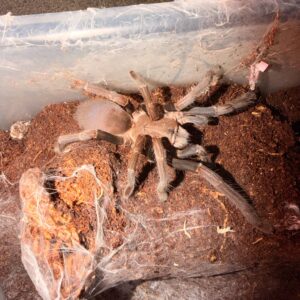
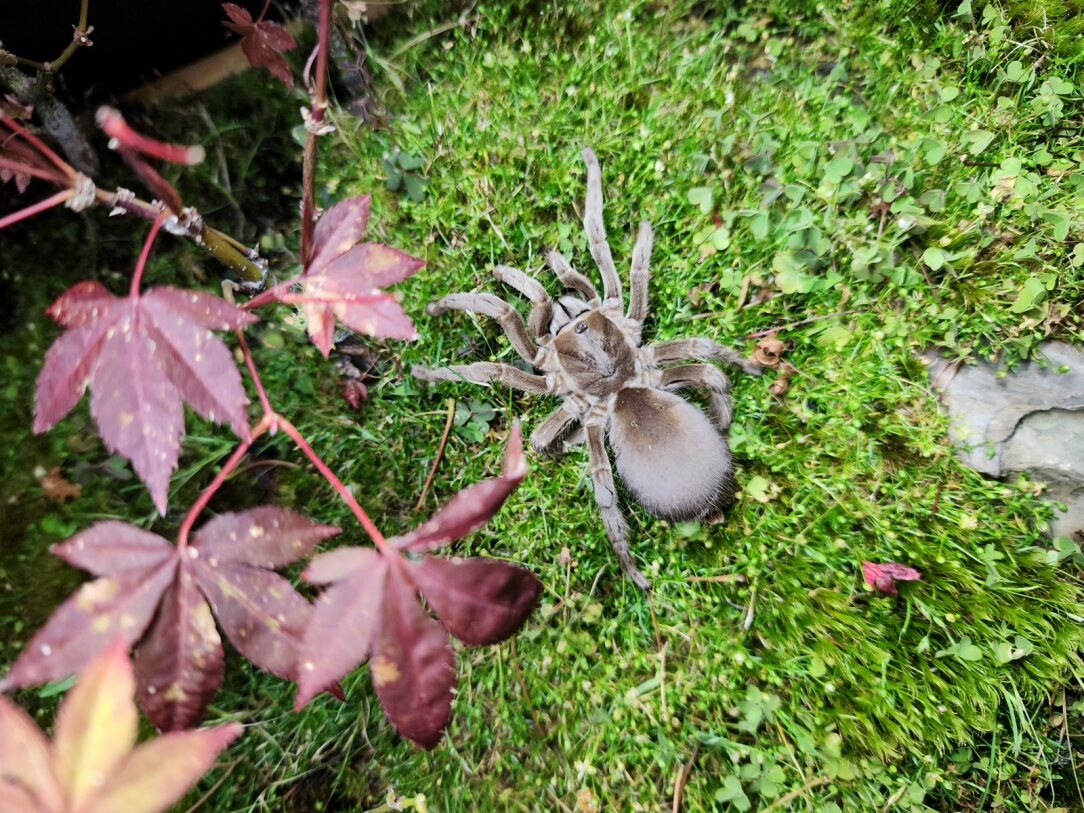
This listing is for an adult female Selenotypus Plumipes, making it an excellent addition for keepers looking to add a mature Australian tarantula to their collection. Its substantial build and characteristic Selenotypus features give it a strong presence as a display animal.
Scientific Classification
- Scientific Name: Selenotypus plumipes
- Genus: Selenotypus
- Type: Australian terrestrial tarantula
- Common Name: Selenotypus Plumipes
- Sex: Adult Female
- Distribution: Australia
- Habitat: Terrestrial environments
Appearance
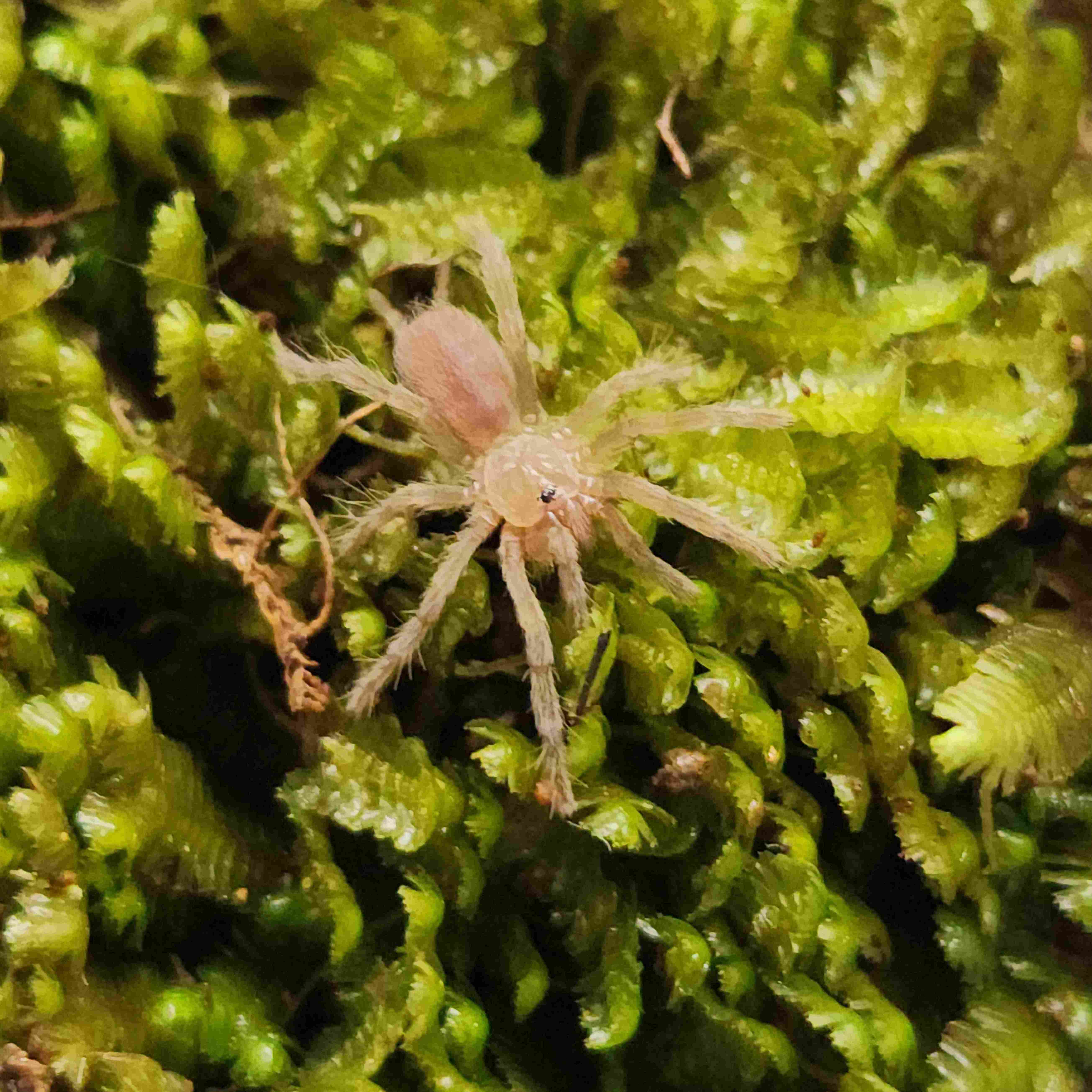
Selenotypus Plumipes has the robust body structure and powerful legs associated with Australian terrestrial tarantulas. Its body and legs are covered in fine hairs, giving the species a textured appearance and contributing to its distinctive overall look.
The legs are strong and well developed, supporting the tarantula as it moves across the substrate and explores its enclosure. Adult females have a particularly substantial appearance compared with younger specimens and males.
Colouration and markings can vary between individual specimens and may change in intensity as the tarantula matures and undergoes successive moults.
Natural Habitat & Distribution
Selenotypus Plumipes is an Australian terrestrial tarantula associated with ground-level environments where suitable soil, shelter and natural cover provide protection and opportunities for hunting.
Terrestrial habitats can provide access to leaf litter, fallen timber, soil and other natural structures that can be used as shelter or incorporated into a burrow.
In captivity, these characteristics can be recreated by providing suitable terrestrial substrate, sufficient depth for burrowing and a secure hiding area.
Behaviour
Selenotypus Plumipes is primarily nocturnal, with activity generally increasing during the evening and nighttime hours. During the day, it may remain inside its burrow or beneath its chosen shelter.
Like other tarantulas, it is an opportunistic predator that feeds on insects and other appropriately sized invertebrates. It may spend extended periods concealed before emerging to explore or hunt.
Temperament can vary between individual specimens. Regardless of temperament, tarantulas should be treated as display animals and handling should be avoided wherever possible.
Care Requirements
Selenotypus Plumipes should be maintained in a secure terrestrial enclosure with suitable substrate, ventilation, shelter and access to fresh drinking water.
A suitable enclosure should include:
- A deep layer of appropriate terrestrial substrate
- Cork bark or another secure hiding area
- A shallow water dish
- Good ventilation
- Appropriate moisture levels
- Adequate floor space
- A secure, escape-resistant lid
The substrate should be deep enough to allow natural burrowing behaviour while remaining appropriately ventilated. Moisture levels should be maintained according to the needs of the individual specimen without keeping the enclosure constantly saturated.
As this is an adult female, the enclosure should provide sufficient space for a mature terrestrial tarantula while still offering secure shelter.
Feeding
Selenotypus Plumipes is an opportunistic predator that can be offered a variety of appropriately sized feeder insects.
Suitable prey can include:
- Crickets
- Roaches
- Woodies
- Other appropriately sized feeder insects
Feeding frequency depends on factors such as temperature, metabolism, individual appetite and recent moulting activity. Adult females generally require less frequent feeding than growing juveniles.
Uneaten prey should be removed when appropriate, particularly when the tarantula begins showing signs of preparing to moult.
Fresh drinking water should always be available.
Moulting
Like all tarantulas, Selenotypus Plumipes periodically moults its exoskeleton as part of its natural growth and development.
A specimen preparing to moult may become less active, refuse food or spend increased amounts of time inside its shelter or burrow.
During this period, the tarantula should be left completely undisturbed. Live feeder insects should not be left inside the enclosure while the tarantula is moulting, as they may potentially injure a vulnerable specimen.
Stable environmental conditions and constant access to clean drinking water are important aspects of successful tarantula husbandry.
Growth & Adult Size
Adult female Selenotypus Plumipes develop a robust and substantial appearance as they mature. Growth rates can vary between individual tarantulas depending on genetics, feeding, temperature, sex and overall husbandry.
As with many tarantulas, females can have a considerably longer potential lifespan than males. Regular moulting continues throughout their development, although the frequency of moulting generally decreases as the tarantula reaches maturity.
Why Keep Selenotypus Plumipes?
Selenotypus Plumipes is an excellent choice for collectors interested in Australian tarantulas and specialist native invertebrates. Its robust build, terrestrial lifestyle and distinctive Selenotypus characteristics make it an interesting addition to a dedicated tarantula collection.
An adult female is particularly appealing to collectors looking to add a mature specimen rather than raising a juvenile through multiple stages of development.
Whether maintained as part of a specialist Australian tarantula collection or kept as a display animal, Selenotypus Plumipes provides an opportunity to observe the behaviour, feeding and natural development of an Australian terrestrial tarantula.