Selenotypus Southern Nebo Australian Tarantula
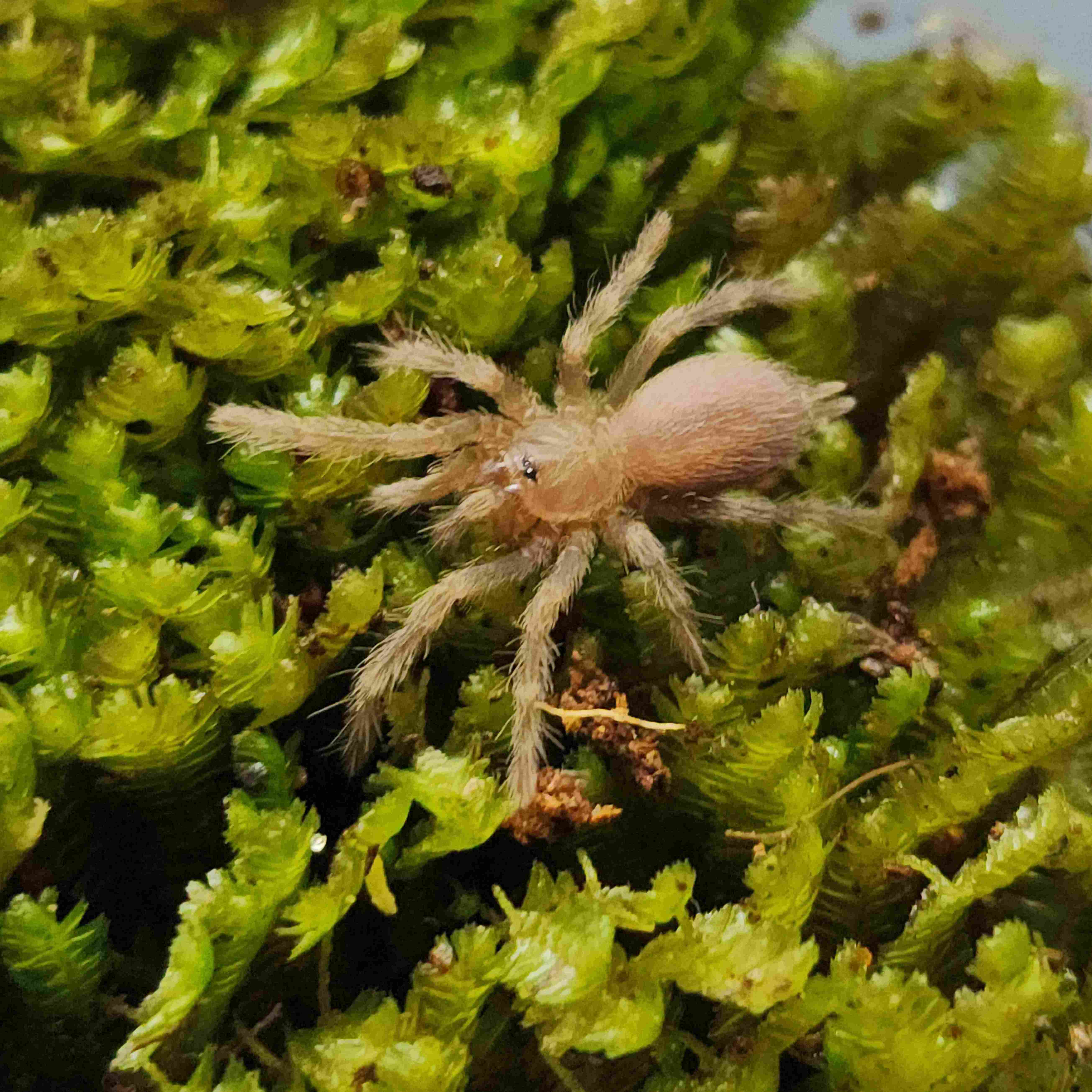
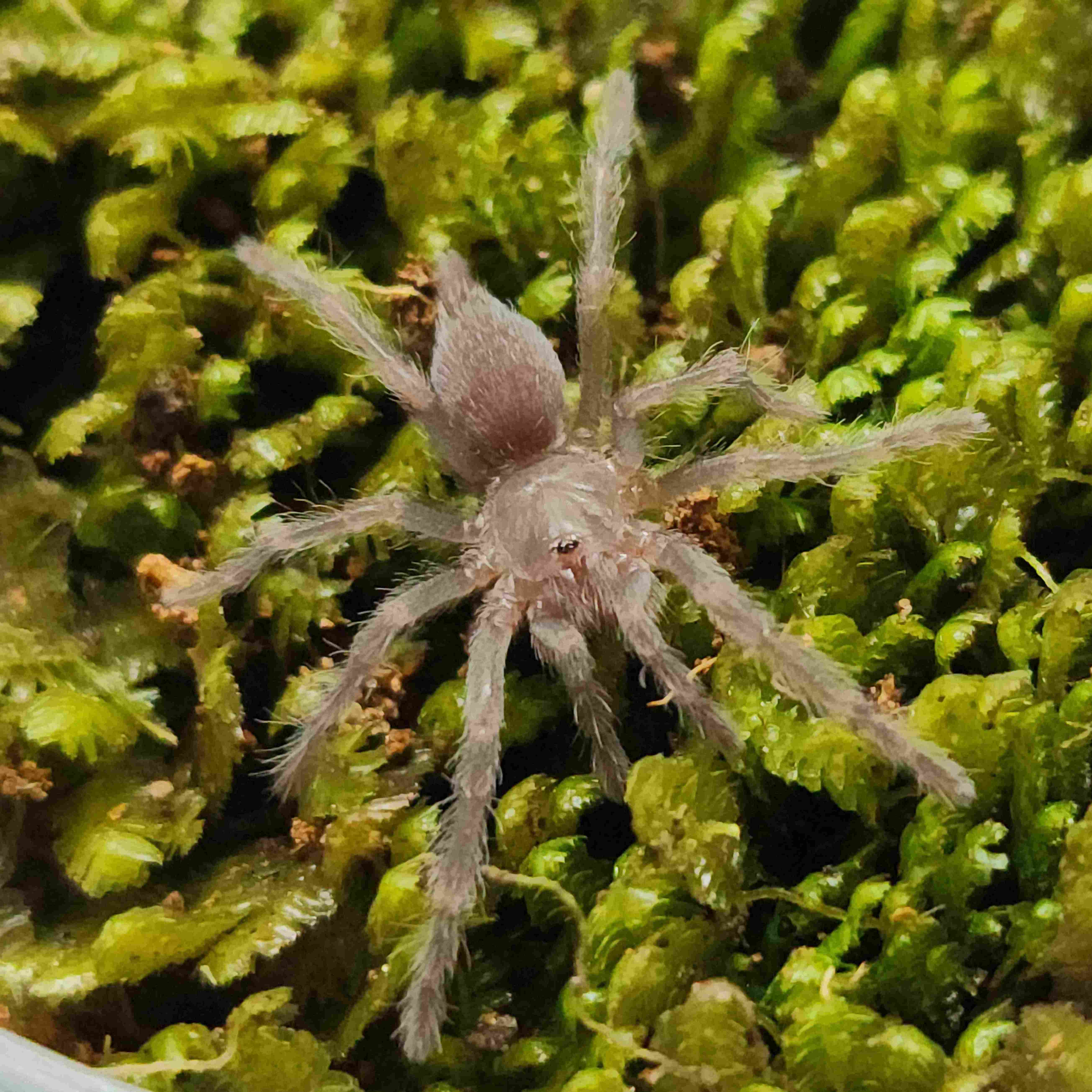
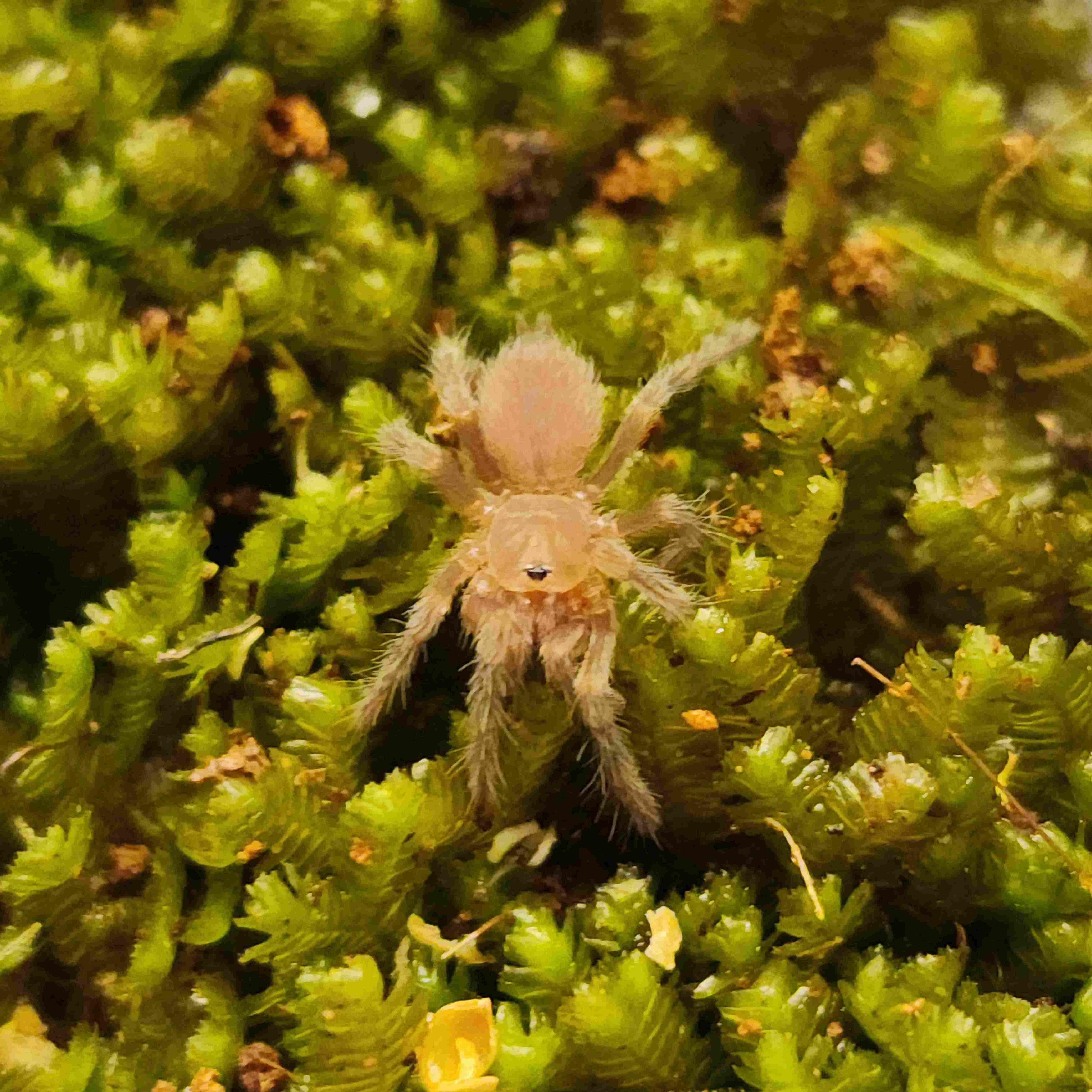
The Selenotypus Southern Nebo is a fascinating Australian tarantula associated with the Southern Nebo region of Queensland. Known for its glossy brown colouration, subtle markings and impressive adult size, this terrestrial tarantula is an excellent choice for collectors interested in distinctive Australian tarantula species.
Part of the Selenotypus genus, these tarantulas are recognised for their robust build, glossy appearance and earthy colouration. Female Southern Nebo specimens can reach a leg span of approximately 14 cm, making mature individuals an impressive addition to a specialist tarantula collection.
Scientific Classification
- Scientific Name: Selenotypus sp. “Southern Nebo”
- Genus: Selenotypus
- Type: Australian terrestrial tarantula
- Common Name: Selenotypus Southern Nebo
- Locality: Southern Nebo, Queensland, Australia
- Habitat: Terrestrial environments
- Adult Female Size: Up to approximately 14 cm leg span
Appearance
The Selenotypus Southern Nebo has a glossy brown body with subtle markings across the legs and abdomen. Its understated colouration gives it a natural and sophisticated appearance, with the glossy surface of the body becoming particularly noticeable under suitable lighting.
Like other Selenotypus tarantulas, it has a robust build and strong legs suited to terrestrial living. Females can reach approximately 14 cm in leg span, giving mature specimens a substantial presence.
The markings and colour intensity can vary between individual specimens and may change as the tarantula matures and undergoes successive moults.
Natural Habitat & Distribution
The Selenotypus Southern Nebo is associated with the Southern Nebo region of Queensland, Australia.
The Selenotypus genus is endemic to Australia, with its members occurring in terrestrial environments. Natural habitats can include areas of soil, leaf litter, vegetation and other ground-level shelter that provide protection and access to suitable prey.
In captivity, a terrestrial enclosure with appropriate substrate and secure hiding areas can help replicate some of the conditions these spiders encounter in their natural environment.
Behaviour
Selenotypus Southern Nebo is primarily nocturnal, with activity generally increasing during the evening and nighttime hours. During daylight hours, the tarantula may spend much of its time concealed within its shelter or burrow.
It is an opportunistic predator that feeds on insects and other appropriately sized small invertebrates. Its strong legs and fangs allow it to capture and subdue prey efficiently.
Individual temperament can vary between specimens. As with all tarantulas, it is best treated as a display animal and should not be handled unnecessarily.
Care Requirements
Selenotypus Southern Nebo should be housed in a secure terrestrial enclosure with suitable substrate, ventilation, shelter and access to fresh drinking water.
A suitable enclosure should include:
- Appropriate terrestrial substrate
- Sufficient substrate depth for burrowing
- Cork bark or another secure hide
- A shallow water dish
- Good ventilation
- Stable environmental conditions
- Adequate floor space
- A secure, escape-resistant lid
The substrate should be maintained at an appropriate moisture level without becoming constantly saturated. Good ventilation is important for maintaining a stable enclosure environment.
As the tarantula grows, its enclosure should be upgraded to provide sufficient space for its increasing size.
Feeding
Selenotypus Southern Nebo is an opportunistic predator and can be offered a variety of appropriately sized feeder insects.
Suitable prey can include:
- Crickets
- Roaches
- Woodies
- Other appropriately sized feeder insects
Feeding frequency depends on the specimen’s age, size, metabolism, temperature and individual appetite. Younger specimens generally require more frequent feeding, while mature tarantulas can usually be fed less often.
Uneaten prey should be removed where appropriate, particularly when the tarantula begins showing signs of an upcoming moult.
Fresh drinking water should always be available.
Moulting
Like all tarantulas, Selenotypus Southern Nebo periodically moults its exoskeleton as it grows. A tarantula approaching a moult may become less active, refuse food or spend more time inside its shelter.
During this period, the specimen should be left completely undisturbed. Live feeder insects should not be left inside the enclosure while the tarantula is moulting, as they may potentially injure a vulnerable spider.
Maintaining suitable environmental conditions and providing access to clean drinking water are important aspects of successful tarantula husbandry.
Growth & Adult Size
Female Selenotypus Southern Nebo can reach approximately 14 cm in leg span, making mature specimens an impressive addition to an Australian tarantula collection.
Growth rates can vary depending on genetics, feeding, temperature, sex and overall husbandry. As with other tarantulas, males and females can differ considerably in mature size and lifespan.
Why Keep Selenotypus Southern Nebo?
Selenotypus Southern Nebo is an excellent choice for collectors interested in Australian tarantulas with natural earthy colouration and an impressive adult size.
Its glossy brown body, subtle markings and robust build give it a distinctive appearance, while its relatively adaptable nature makes it an interesting species for keepers wanting to expand their collection beyond the more commonly encountered tarantulas.
The Southern Nebo locality also makes this spider particularly appealing to collectors interested in Australian locality forms and the geographic diversity of native tarantulas.
Selenotypus Southern Nebo Tarantula for Sale
The Selenotypus Southern Nebo is a striking Australian tarantula associated with the Southern Nebo region of Queensland. Featuring a glossy brown body, subtle markings on the legs and abdomen, a robust build and an impressive female leg span of up to approximately 14 cm, this Selenotypus is a fascinating addition to a specialist tarantula collection. Its natural colouration, nocturnal behaviour and Australian locality make the Selenotypus Southern Nebo an excellent choice for collectors and enthusiasts interested in unique Australian tarantulas.