Selenotypus Banana
The Selenotypus Banana is an interesting Australian tarantula sought after by enthusiasts who appreciate distinctive native theraphosid species. Belonging to the genus Selenotypus, this tarantula is part of Australia’s diverse mygalomorph spider fauna and offers an opportunity for keepers to explore the fascinating behaviour of Australian burrowing spiders.
As a member of the Selenotypus genus, the Banana is associated with terrestrial and burrowing behaviour, making it an intriguing addition to specialist tarantula collections. Its appeal lies in its place among Australia’s native tarantulas and the opportunity to observe natural retreat-building, feeding and other characteristic behaviours.
Scientific Classification
- Scientific Name: Selenotypus sp. “Banana”
- Genus: Selenotypus
- Type: Australian Tarantula
- Common Name: Selenotypus Banana
- Lifestyle: Terrestrial / burrowing
Appearance
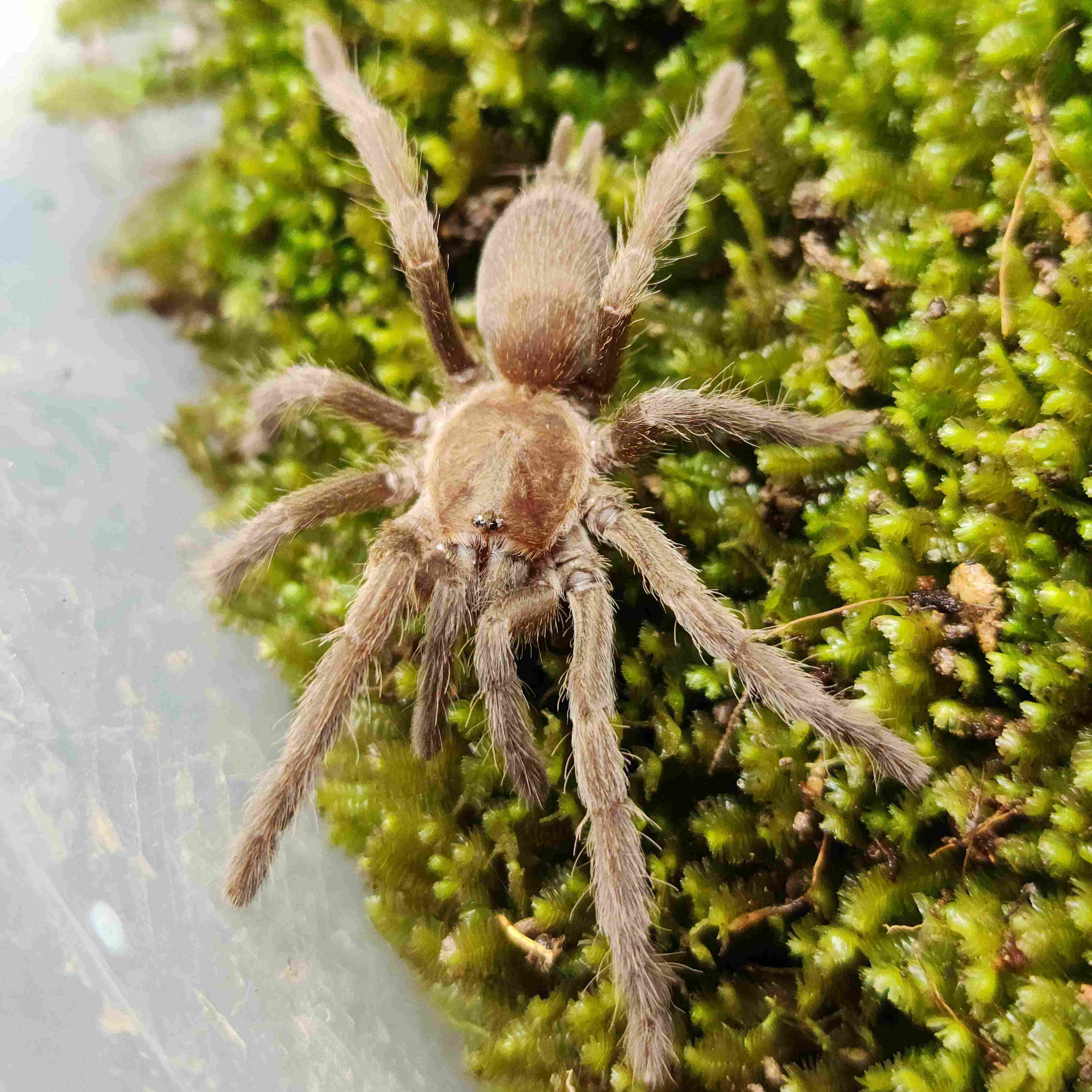
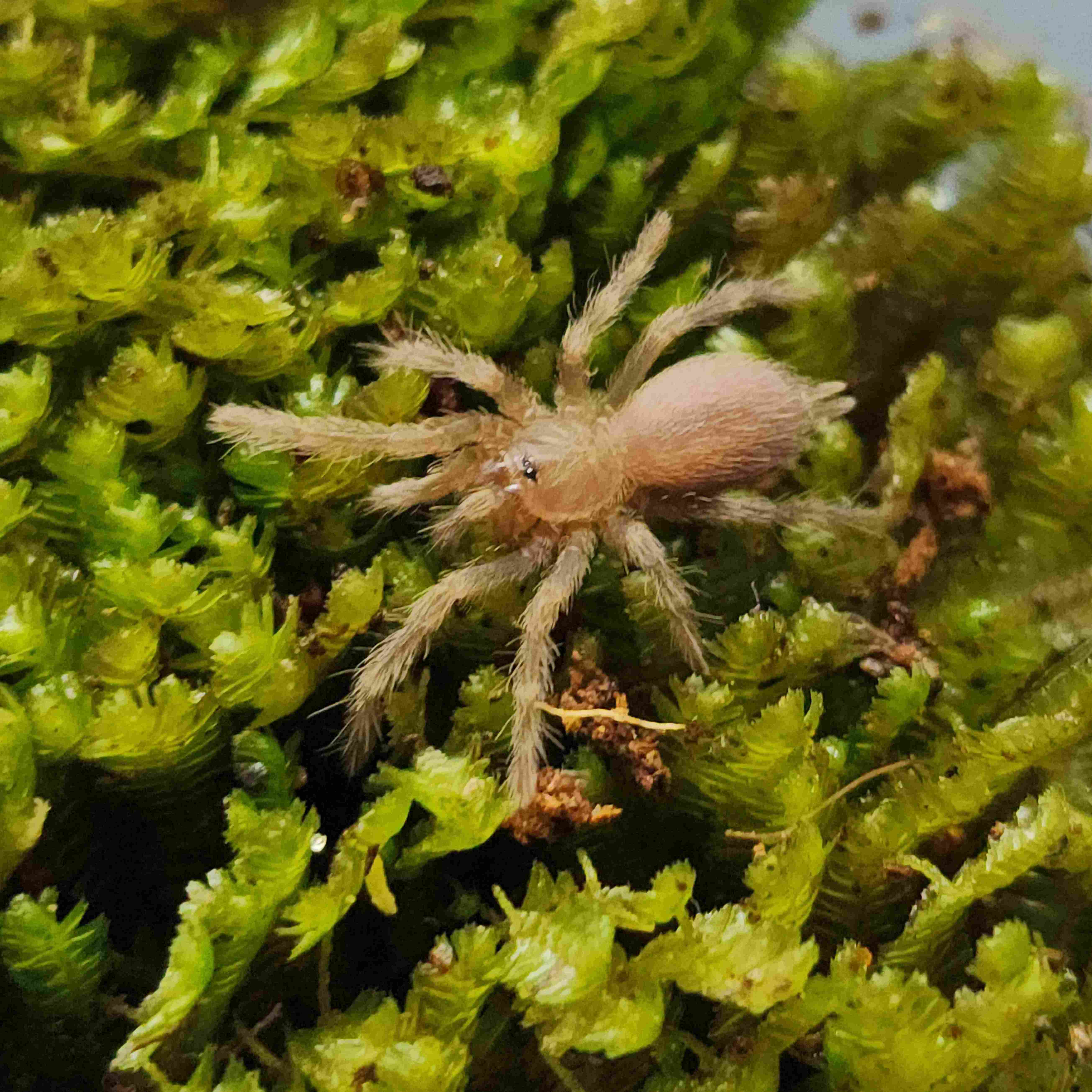
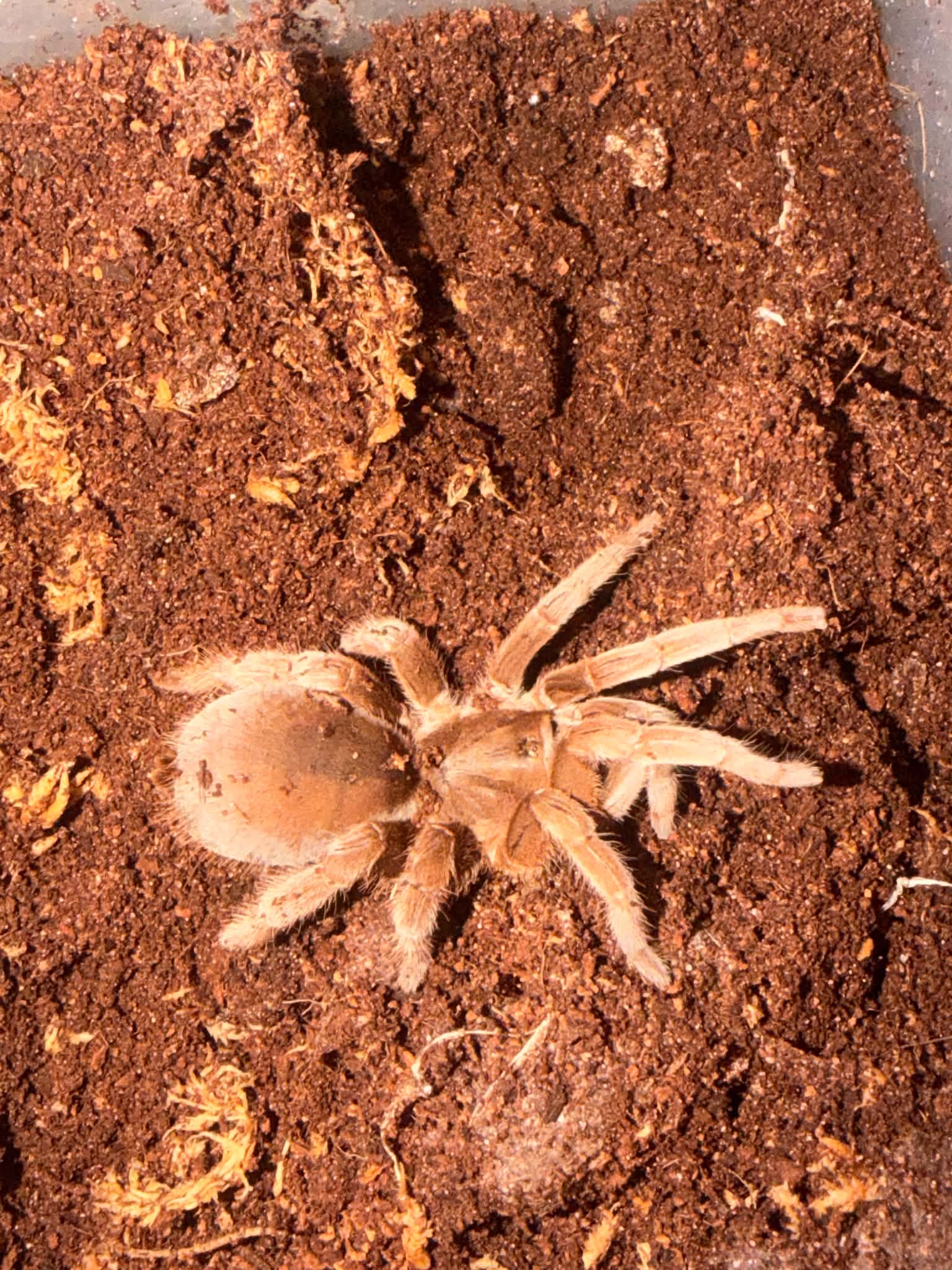
The Selenotypus Banana is a distinctive member of the Australian tarantula group. Exact colouration and physical characteristics can vary depending on the specimen, its age and the particular locality.
Potential identifying characteristics of Selenotypus tarantulas include:
- Earthy brown to dark brown colouration
- A robust body structure
- Hair-covered legs and body
- Strong legs suited to terrestrial movement
- Physical adaptations associated with a ground-dwelling lifestyle
The precise appearance of the Banana form should be assessed from the individual specimen, as the common name alone does not establish a formal species identification or definitive colour pattern.
Natural Background
The genus Selenotypus comprises Australian tarantulas associated with ground-dwelling habitats. These spiders are adapted to life close to the substrate, where suitable soil and sheltered retreats provide protection and opportunities to ambush prey.
Burrowing and retreat-building are important aspects of the natural behaviour of many Australian mygalomorph spiders. Providing appropriate substrate and a secure enclosure allows captive specimens to display more natural behaviours.
The name “Banana” is used here as a common form or locality name; it should not be treated as a confirmed scientific species designation without further identification.
Behaviour
The Selenotypus Banana offers keepers an opportunity to observe the behaviour of an Australian terrestrial tarantula.
Like many burrowing spiders, it may spend much of its time within a retreat, emerging to explore its surroundings or capture prey. Activity levels can vary between individuals, with some specimens spending extended periods hidden beneath the substrate.
Important behavioural considerations include:
- Natural retreat-building and burrowing behaviour
- Feeding responses to appropriately sized prey
- Activity that may increase during darker periods
- Individual differences in temperament and activity
- A preference for minimal disturbance
As with other Australian tarantulas, avoid unnecessary handling and use appropriate precautions when maintaining the enclosure.
Selenotypus Banana Care
The Selenotypus Banana should be provided with a secure terrestrial enclosure designed around its burrowing behaviour and environmental requirements.
A suitable setup can include:
- A secure, escape-proof enclosure
- Adequate substrate depth for retreat construction
- A stable hide or starter burrow
- Appropriate moisture levels for the identified species or locality
- Good ventilation
- Access to fresh drinking water
- Minimal unnecessary disturbance
Substrate depth and moisture should be adjusted to the requirements of the particular specimen. The enclosure should provide a stable environment without becoming waterlogged, and any burrow or retreat should be protected from collapse.
Feeding
The Selenotypus Banana is a carnivorous predator that can be fed an appropriate range of captive feeder insects.
Suitable food items may include:
- Crickets
- Woodies
- Roaches
- Other appropriately sized feeder insects
Choose prey according to the spider’s size and condition. Feeding frequency will depend on its age, body condition, temperature and recent feeding history.
Remove uneaten prey when appropriate, particularly if the spider is showing signs of pre-moult or has stopped feeding.
Moulting
Like all tarantulas, the Selenotypus Banana periodically sheds its exoskeleton as it grows.
During pre-moult, the spider may become less active, spend more time in its retreat or refuse food. These behaviours can be normal parts of the moulting cycle.
During a moult, avoid disturbing the spider and do not leave live prey in the enclosure. Allow the new exoskeleton and fangs sufficient time to harden before offering food again.
Growth & Adult Size
The adult size and growth rate of the Selenotypus Banana depend on the specimen’s exact identification, sex, age and individual genetics.
As a member of an Australian tarantula genus, it is worth providing enough enclosure space and suitable substrate for natural terrestrial behaviour. A precise adult leg span should not be specified without confirming the particular species or locality represented by the Banana form.
Why Keep the Selenotypus Banana?
The Selenotypus Banana is an appealing option for enthusiasts interested in Australia’s native tarantulas and the fascinating behaviour of burrowing spiders.
Key features include:
- Australian tarantula genus
- Interesting terrestrial and burrowing behaviour
- Natural retreat-building activity
- Carnivorous feeding behaviour
- A distinctive form for specialist collections
- Opportunity to observe the growth and moulting process
- An interesting addition to an Australian tarantula collection
For keepers interested in native Australian arachnids, the Selenotypus Banana Tarantula offers an opportunity to appreciate the behaviour and natural history of Australia’s burrowing spiders. Providing a secure enclosure, suitable substrate and appropriate environmental conditions will help support its wellbeing in captivity.