Red Fringed Helm’s Merloned Isopods (Merulana helsmiana)
Red Fringed Helm’s Merloned Isopods (Merulana helsmiana) are a unique Australian terrestrial isopod prized for their striking reddish-orange fringe, heavily armoured body, and unusual textured appearance. This distinctive native isopod is highly sought after by Australian isopod keepers, native invertebrate enthusiasts, and collectors of unusual terrestrial isopods.
With their rugged armour, contrasting red edging, and ability to roll into a protective ball, Merulana helsmiana is an especially fascinating species for dedicated isopod collections and suitable native Australian bioactive enclosures.
Scientific Classification
Genus: Merulana
Species: Merulana helsmiana
Family: Armadillidae
Common Name: Red Fringed Helm’s Merloned Isopod
Type: Australian Terrestrial Isopod
Appearance
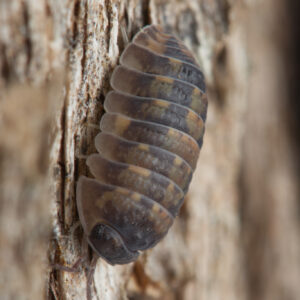
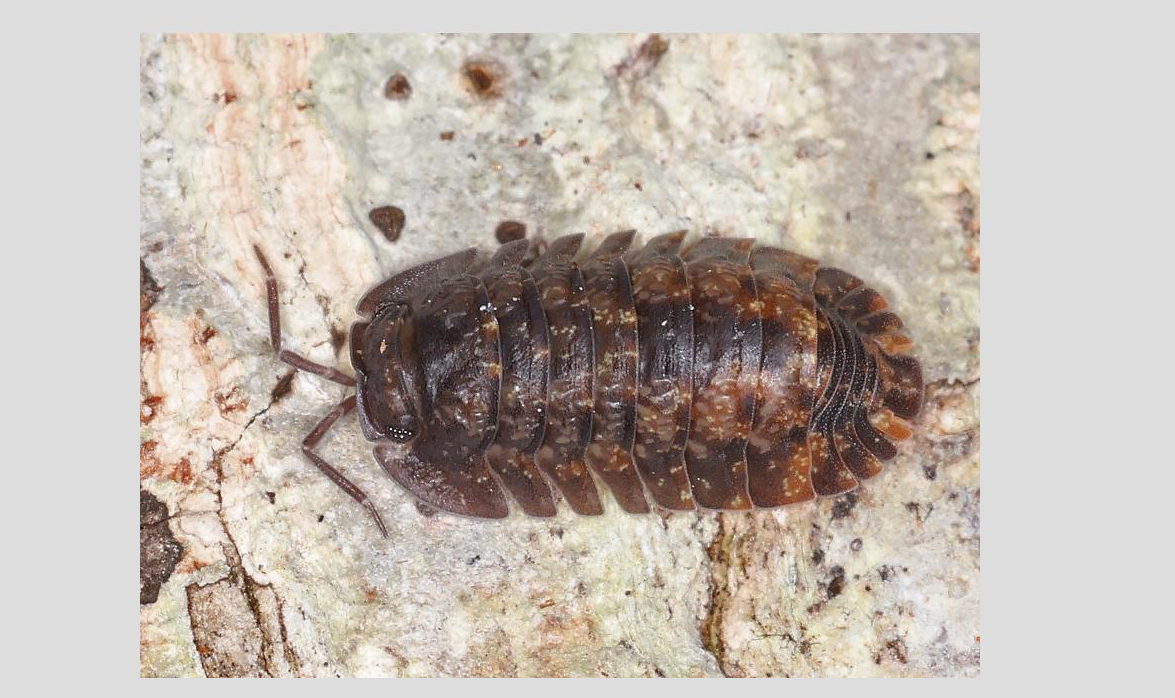
Red Fringed Helm’s Merloned Isopods are easily recognised by their heavily armoured body and distinctive coloured margins.
- Striking reddish-orange fringe along the edges of the body segments
- Dark brown to black exoskeleton
- Raised and textured body plates
- Rugged, heavily armoured appearance
- Rounded body shape
- Capable of conglobation, rolling into a defensive ball when disturbed
The combination of a dark armoured body and contrasting red fringe gives Merulana helsmiana a particularly distinctive appearance compared with many other Australian isopod species.
Habitat & Distribution
Merulana helsmiana is a native Australian terrestrial isopod associated with sheltered, humid environments containing abundant leaf litter and decomposing organic material.
Their natural habitat can include areas such as:
- Moist forest floors
- Woodland environments
- Leaf litter
- Fallen timber
- Decaying bark and logs
- Areas containing decomposing vegetation
Like many terrestrial isopods, they benefit from access to moisture, organic matter, natural cover, and stable environmental conditions.
When recreating their habitat in captivity, focus on providing a naturalistic Australian woodland-style enclosure with plenty of leaf litter, decaying hardwood, bark, and hiding places.
Behaviour & Diet
Red Fringed Helm’s Merloned Isopods are primarily nocturnal, spending much of the day concealed beneath bark, logs, leaf litter, and other natural cover. They become more active after dark when they emerge to explore their enclosure and forage.
As detritivores, they consume a range of decomposing organic material, including:
- Decaying leaf litter
- Rotten hardwood
- Fungi
- Dead plant matter
- Other decomposing organic material
By breaking down decaying material, Merulana helsmiana contributes to the natural recycling of nutrients within its ecosystem.
When threatened or disturbed, these heavily armoured isopods can use conglobation, curling their bodies into a protective ball. This natural defensive behaviour is one of the most interesting characteristics of the species.
Red Fringed Helm’s Merloned Isopod Care
Merulana helsmiana is best suited to keepers with an interest in native Australian isopods and specialised invertebrate collections. Their enclosure should replicate the cool, humid, sheltered conditions of their natural habitat as closely as possible.
For successful Red Fringed Helm’s Merloned Isopod care, provide:
- A cool and humid enclosure
- Good ventilation to prevent stagnant air
- Deep, organic-rich substrate
- Plenty of dried leaf litter
- Decaying hardwood and rotting wood
- Cork bark, timber, and other hiding areas
- Moss or other moisture-retaining materials
- A reliable calcium source such as cuttlebone or crushed eggshell
Maintaining appropriate moisture while still providing adequate ventilation is important for creating a healthy environment. A moisture gradient can also provide the isopods with the ability to move between different humidity levels within the enclosure.
Red Fringed Helm’s Merloned Isopods as a Bioactive Cleanup Crew
As detritivores, Red Fringed Helm’s Merloned Isopods can contribute to a bioactive ecosystem by consuming decaying organic matter and helping recycle nutrients within the substrate.
They can be incorporated into suitable:
- Native Australian bioactive terrariums
- Naturalistic vivariums
- Woodland-style enclosures
- Dedicated isopod breeding setups
- Australian native invertebrate displays
Their natural feeding behaviour makes them an interesting addition to a bioactive cleanup crew, where they can work alongside other suitable decomposers such as springtails.
Breeding Merulana helsmiana
With appropriate environmental conditions, a healthy Merulana helsmiana colony can reproduce and gradually establish within a suitable enclosure. Providing consistent moisture, abundant leaf litter, decaying hardwood, calcium, and plenty of hiding areas helps support healthy growth and reproduction.
For keepers interested in breeding Australian isopods, maintaining stable environmental conditions and avoiding excessive disturbance can help encourage a healthy colony.
Why Keep Red Fringed Helm’s Merloned Isopods?
Red Fringed Helm’s Merloned Isopods are an excellent choice for enthusiasts looking to keep a unique native Australian terrestrial isopod with an unusual appearance and fascinating defensive behaviour.
Key features include:
- Distinctive reddish-orange body fringe
- Dark, heavily armoured exoskeleton
- Unique textured body plates
- Capable of rolling into a defensive ball
- Native Australian terrestrial isopod
- Interesting nocturnal behaviour
- Natural detritivore and decomposer
- Suitable for specialised bioactive enclosures
- Fascinating addition to native isopod collections
For enthusiasts searching for a rare-looking Australian isopod with striking red markings, Merulana helsmiana offers a unique combination of appearance, behaviour, and ecological value.