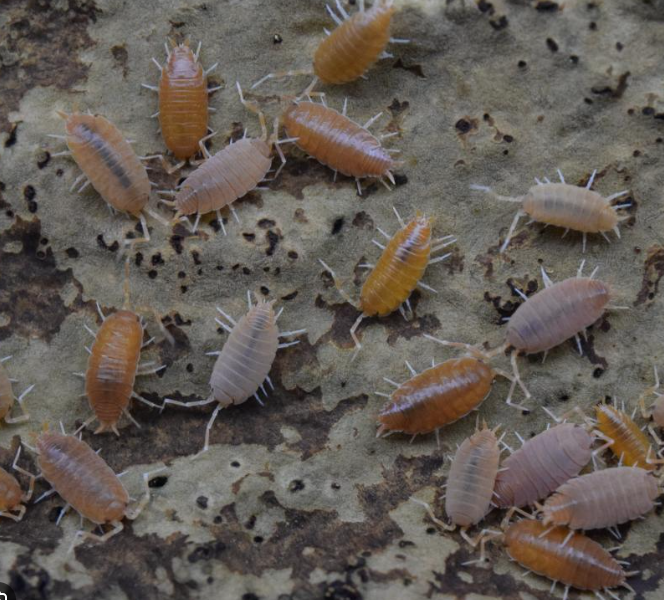
Powder Orange Isopods (Porcellionides sp.)
Powder Orange Isopods (Porcellionides sp.) are an attractive species of terrestrial isopod known for their distinctive orange colouration, active behaviour, hardiness, and rapid breeding. These eye-catching isopods are an excellent choice for bioactive terrariums, vivariums, reptile enclosures, amphibian habitats, and naturalistic displays.
Their combination of vibrant colouration, active foraging behaviour, and efficient decomposition makes Powder Orange Isopods a popular bioactive cleanup crew species for both beginner and experienced isopod keepers.
Scientific Classification
Genus: Porcellionides
Family: Porcellionidae
Common Name: Powder Orange Isopod
Type: Terrestrial Isopod
Appearance
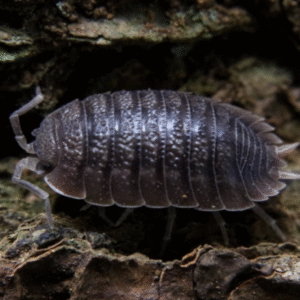
Powder Orange Isopods are easily recognised by their attractive orange to orange-brown colouration and elongated body shape.
- Distinctive orange to orange-brown colouration
- Elongated and flattened body
- Smooth, segmented exoskeleton
- Numerous overlapping body segments
- Active and relatively fast-moving
- Cannot completely roll into a ball like pill bugs
Their bright orange colouration provides an attractive contrast against green plants, sphagnum moss, leaf litter, and natural terrarium substrate, making them particularly appealing in planted and bioactive enclosures.
Habitat & Distribution
Powder Orange Isopods are associated with moist, sheltered terrestrial environments where they can find plenty of decaying organic material, natural cover, and suitable moisture levels.
Typical habitats for terrestrial Porcellionides isopods can include:
- Leaf litter
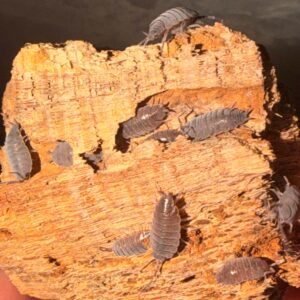
- Fallen logs and decaying timber
- Gardens
- Compost and mulch
- Woodland environments
- Forest floor habitats
- Moist areas beneath rocks, bark, and debris
In captivity, Powder Orange Isopods benefit from an environment that provides moisture, organic material, ventilation, and plenty of cover.
Behaviour & Diet
Powder Orange Isopods are an active and highly visible terrestrial isopod, making them enjoyable to observe in a bioactive enclosure. They spend much of their time exploring the substrate, moving through leaf litter, hiding beneath bark, and searching for food.
As detritivores, Powder Orange Isopods primarily feed on decomposing organic material such as:
- Decaying leaf litter
- Rotting wood
- Dead plant matter
- Fungi
- Organic debris
- Other decomposing material
By consuming decomposing material, they help break down organic matter and contribute to the natural recycling of nutrients within the enclosure. This makes them valuable members of a natural bioactive ecosystem and terrarium cleanup crew.
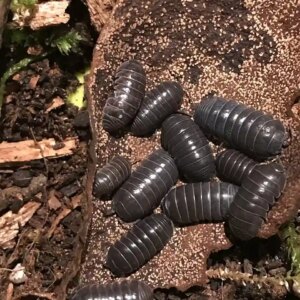
Powder Orange Isopods can also reproduce readily when provided with suitable conditions, allowing colonies to establish and grow over time.
Powder Orange Isopod Care
Powder Orange Isopods are considered a hardy and relatively easy-to-maintain isopod, making them suitable for both beginner and experienced keepers.
For a healthy and productive colony, provide:
- A moist but well-ventilated enclosure
- A deep substrate containing organic material
- Plenty of leaf litter as a primary food source
- Decaying hardwood or rotting wood
- Cork bark, bark pieces, and other hiding places
- Moss or other moisture-retaining material
- A calcium source such as cuttlebone or crushed eggshell
It is beneficial to maintain a moisture gradient within the enclosure, allowing the isopods to move between wetter and drier areas according to their needs. Good ventilation is also important to prevent stagnant conditions and excessive mould.
Powder Orange Isopods as a Bioactive Cleanup Crew
One of the main advantages of Powder Orange Isopods is their usefulness as a bioactive cleanup crew. Their constant movement through the substrate and consumption of decaying organic matter helps support the natural decomposition process and nutrient cycling within the enclosure.
They can be used in suitable:
- Bioactive terrariums
- Vivariums
- Reptile enclosures
- Amphibian enclosures
- Naturalistic habitats
- Isopod breeding setups
Powder Orange Isopods can also be kept alongside springtails, which help consume mould, fungi, and smaller organic waste. Together, they can form an effective and natural terrarium cleanup crew.
Breeding Powder Orange Isopods
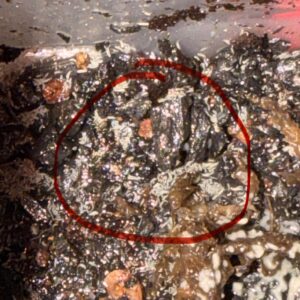
Powder Orange Isopods can establish productive colonies when maintained under suitable conditions. Once a colony becomes established, females produce juveniles that gradually increase the overall population.
Providing plenty of leaf litter, decaying wood, moisture, calcium, and hiding spaces helps support healthy growth, moulting, and reproduction.
Their ability to establish colonies makes Powder Orange Isopods a practical choice for keepers looking to develop a self-sustaining isopod colony for bioactive or dedicated breeding setups.
Why Keep Powder Orange Isopods?
Powder Orange Isopods are a colourful and versatile choice for both beginner and experienced invertebrate keepers. Their combination of bright colouration, active behaviour, hardiness, and useful decomposition makes them particularly well suited to bioactive environments.
Key benefits include:
- Attractive orange colouration
- Active and interesting behaviour
- Hardy and relatively easy to maintain
- Capable of establishing productive colonies
- Excellent terrestrial detritivores
- Useful bioactive cleanup crew
- Suitable for naturalistic terrariums and vivariums
- Great choice for beginner isopod keepers
If you’re looking for an orange terrestrial isopod that combines attractive colouration with active behaviour and useful cleanup-crew capabilities, Powder Orange Isopods (Porcellionides sp.) are an excellent addition to a bioactive enclosure or dedicated isopod colony.