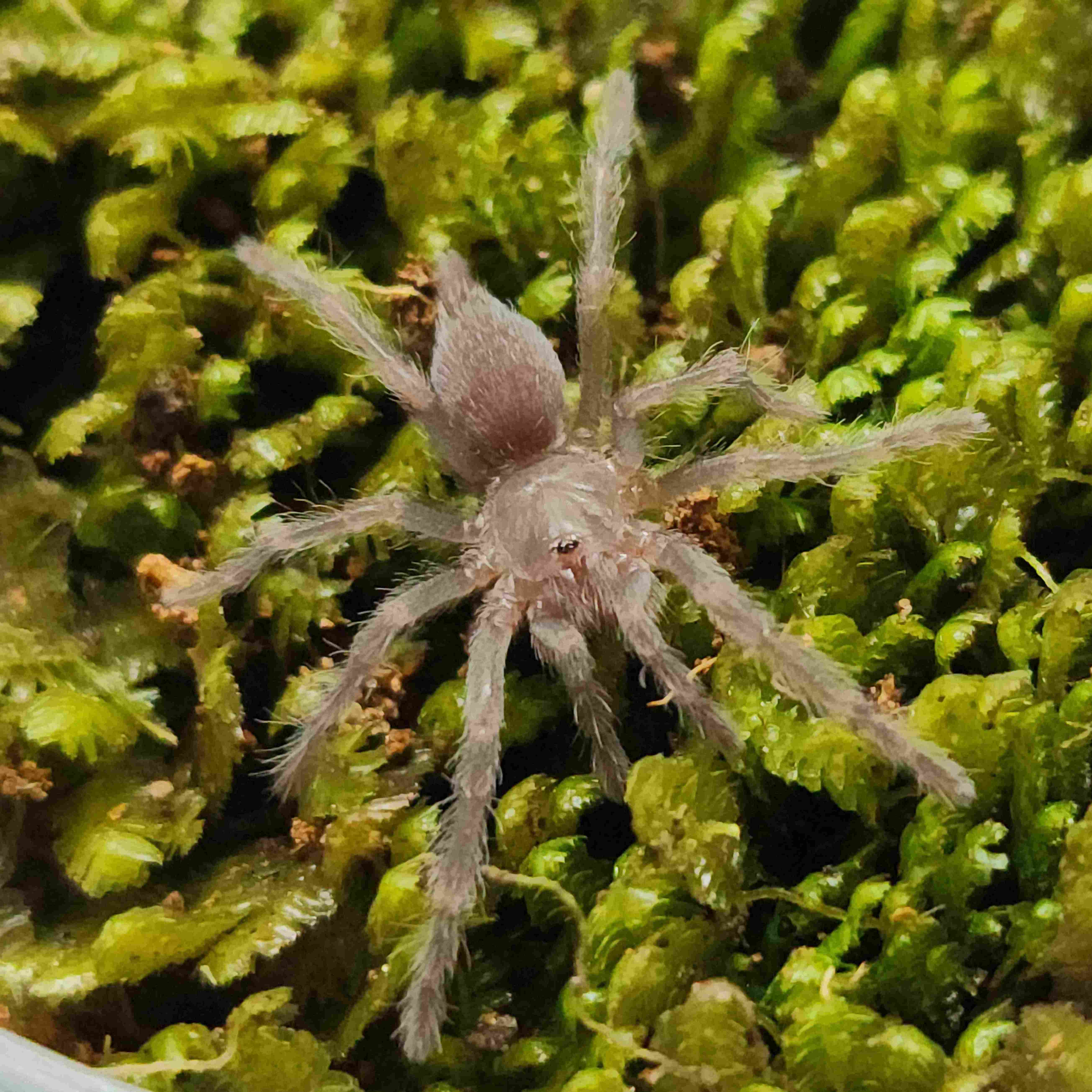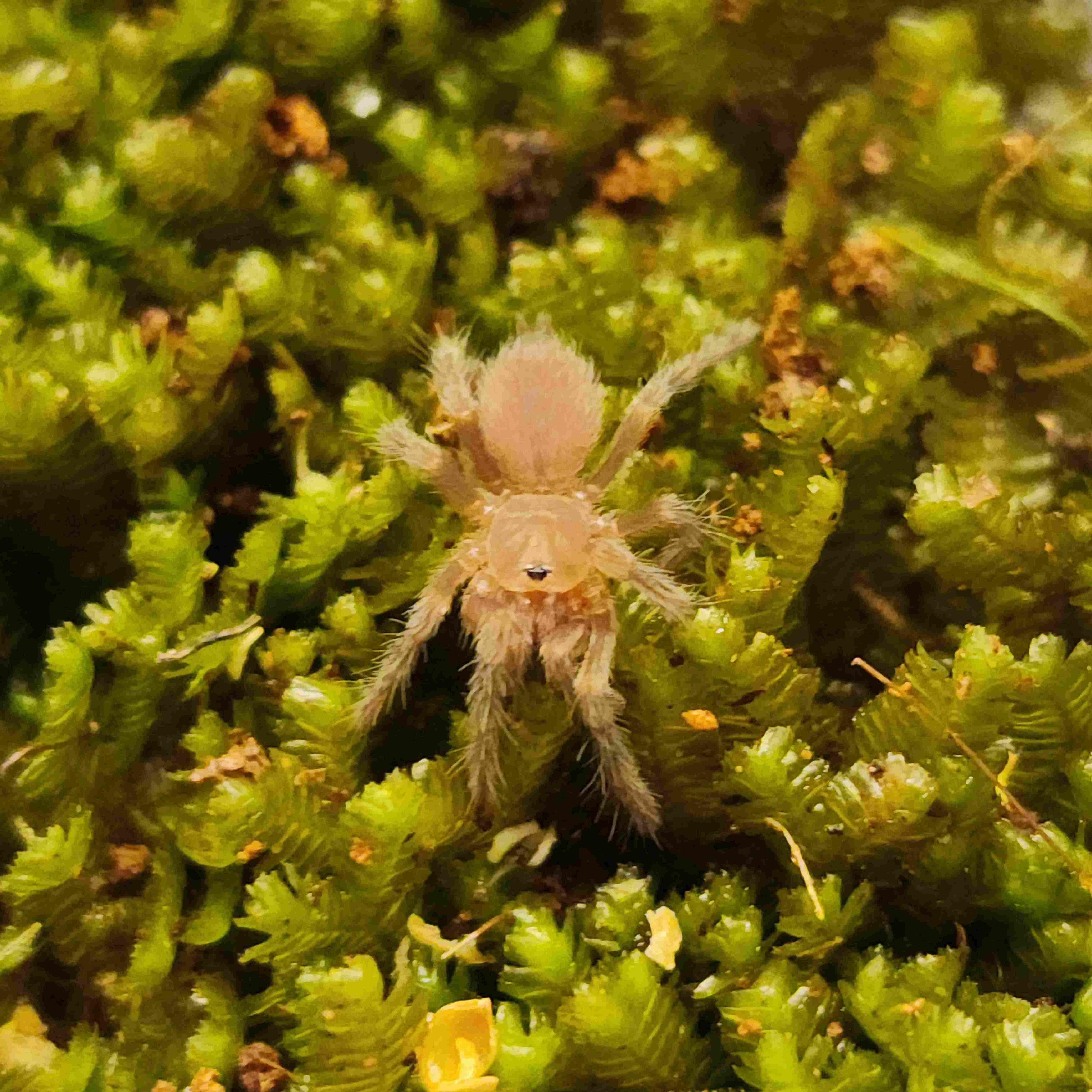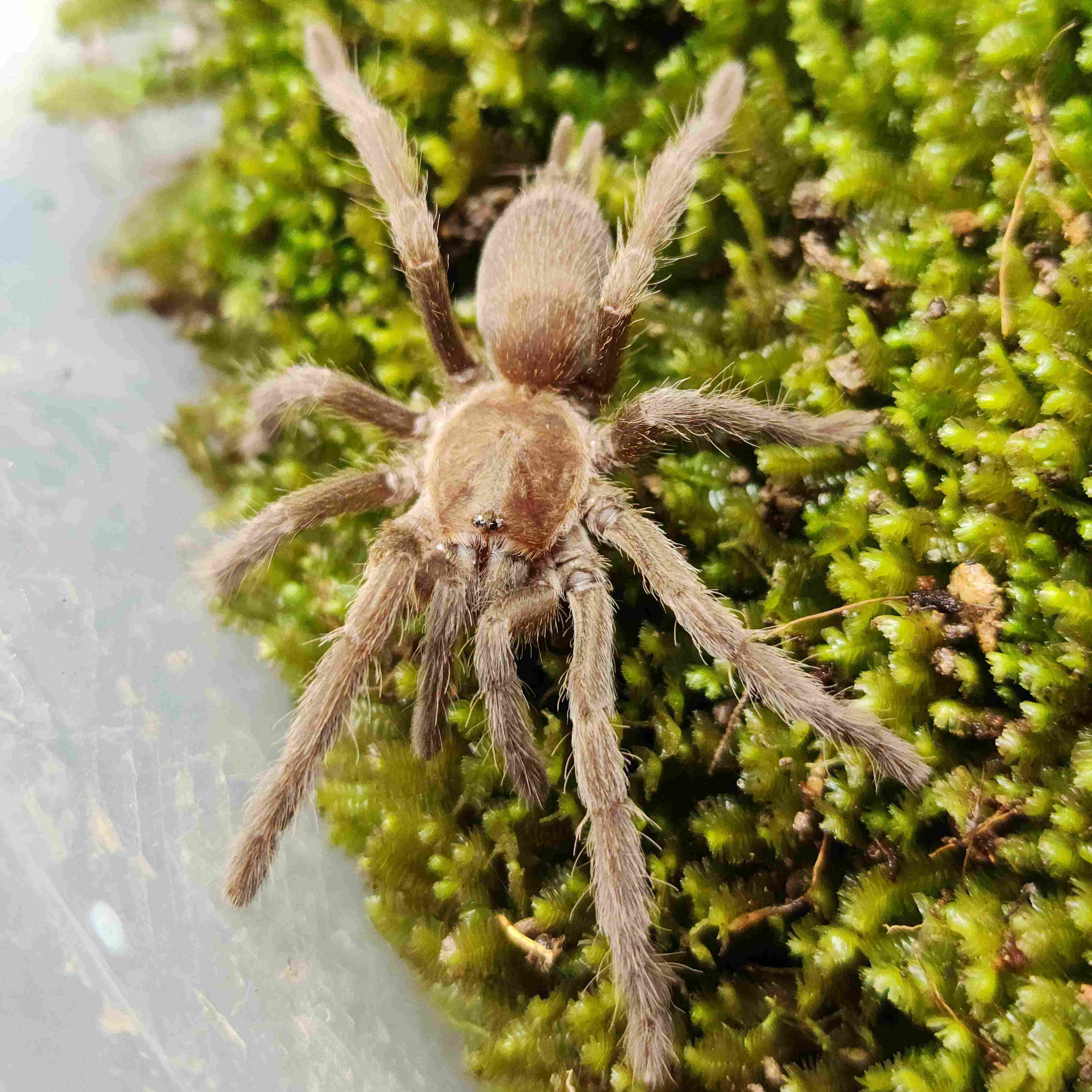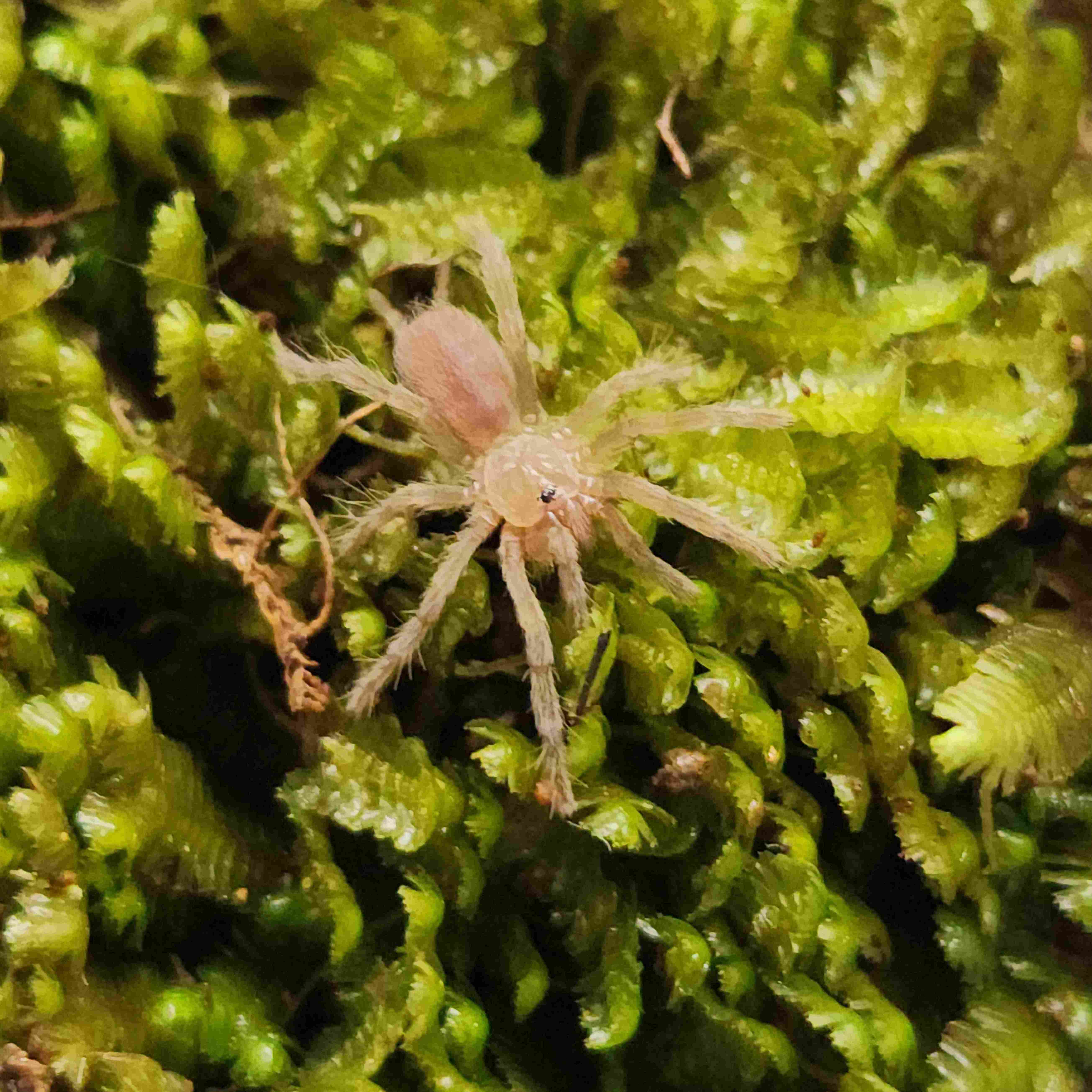
Selenotypus Exevale Australian Tarantula
Selenotypus Exevale is a striking Australian tarantula prized for its glossy brown colouration, contrasting black markings and impressive adult size. Associated with the Exevale region of Australia, this distinctive species is an excellent choice for experienced tarantula keepers, collectors and enthusiasts looking to add a visually impressive Australian theraphosid to their collection.
With a glossy brown body contrasted by darker markings across the legs and abdomen, Selenotypus Exevale has a distinctive appearance that makes it particularly appealing to specialist invertebrate keepers. Females can reach an impressive leg span of up to approximately 14 cm, making mature specimens a substantial and impressive addition to a tarantula collection.
Scientific Classification
- Scientific Name: Selenotypus sp. “Exevale”
- Genus: Selenotypus
- Type: Australian Tarantula
- Common Name: Selenotypus Exevale
- Lifestyle: Terrestrial
- Adult Female Size: Up to approximately 14 cm leg span
Appearance
The Selenotypus Exevale is recognised for its glossy body and contrasting dark markings.
Typical features include:
- Glossy brown body
- Dark brown to black colouration
- Distinctive black markings on the legs
- Contrasting abdominal markings
- Robust body structure
- Hair-covered legs and body
- Large adult size, particularly in females
The combination of the glossy brown body and contrasting black markings gives this tarantula a bold and distinctive appearance.
Natural Background
The Selenotypus Exevale is associated with the Exevale region of Australia, where it occurs across a range of natural environments.
The species is described as inhabiting habitats including:
- Forests
- Grasslands
- Terrestrial environments
- Areas providing suitable shelter and access to prey
Its natural environment provides opportunities for shelter, hunting and retreat, with the species being primarily active during darker periods.
Behaviour
Selenotypus Exevale is primarily nocturnal, with activity generally increasing after dark.
As a terrestrial predator, it actively searches its surroundings for suitable prey. Its natural diet consists of insects and other small invertebrates.
Potential prey includes:
- Crickets
- Roaches
- Other insects
- Small terrestrial invertebrates
Individual temperament and behaviour can vary between specimens. As with all tarantulas, unnecessary handling and disturbance should be avoided.
Selenotypus Exevale Care
Selenotypus Exevale should be maintained in a secure terrestrial enclosure that provides appropriate substrate, shelter and environmental conditions.
A suitable enclosure can include:
- Secure enclosure with adequate ventilation
- Appropriate terrestrial substrate
- Suitable depth of substrate
- Cork bark or another suitable hide
- Access to a water source
- A stable environment with appropriate humidity
- Minimal unnecessary disturbance
Providing a secure retreat allows the tarantula to establish a comfortable area where it can remain concealed when it is not actively exploring or hunting.
Feeding
Selenotypus Exevale is a carnivorous predator that can be maintained on appropriately sized feeder insects.
Suitable food items may include:
- Crickets
- Roaches
- Woodies
- Other appropriately sized feeder insects
Prey should be appropriately sized according to the individual tarantula. Smaller specimens should receive smaller prey items, while larger individuals can accept appropriately larger feeders.
Uneaten prey should be removed where appropriate, particularly if the tarantula is showing signs of preparing to moult.
Moulting
Like all tarantulas, Selenotypus Exevale periodically sheds its exoskeleton as it grows.
Before moulting, a specimen may become less active and may refuse food. These changes can be normal signs of the pre-moult period.
Once the tarantula begins the moulting process, it should be left completely undisturbed. Providing suitable environmental conditions and access to water is important during this vulnerable stage.
Growth & Adult Size
Selenotypus Exevale is a relatively large Australian tarantula, with females potentially reaching approximately 14 cm in leg span.
Growth rates can vary between individuals depending on factors such as age, sex, feeding and environmental conditions.
Females generally reach a larger adult size than males, making mature females particularly impressive display specimens.
Why Keep Selenotypus Exevale?
Selenotypus Exevale is an excellent choice for collectors and experienced keepers looking for a large and visually distinctive Australian tarantula.
Key features:
- Distinctive Australian tarantula
- Glossy brown body colouration
- Contrasting black markings
- Large adult female size
- Females can reach approximately 14 cm leg span
- Primarily nocturnal behaviour
- Fascinating predatory behaviour
- Specialist collector species
- Striking addition to a tarantula collection
With its glossy brown body, contrasting black markings and impressive adult size, Selenotypus Exevale is a fascinating Australian tarantula for specialist collections and enthusiasts interested in Australia’s unique terrestrial invertebrate fauna.