Phlogius Pseudo Crassipes Australian Tarantula
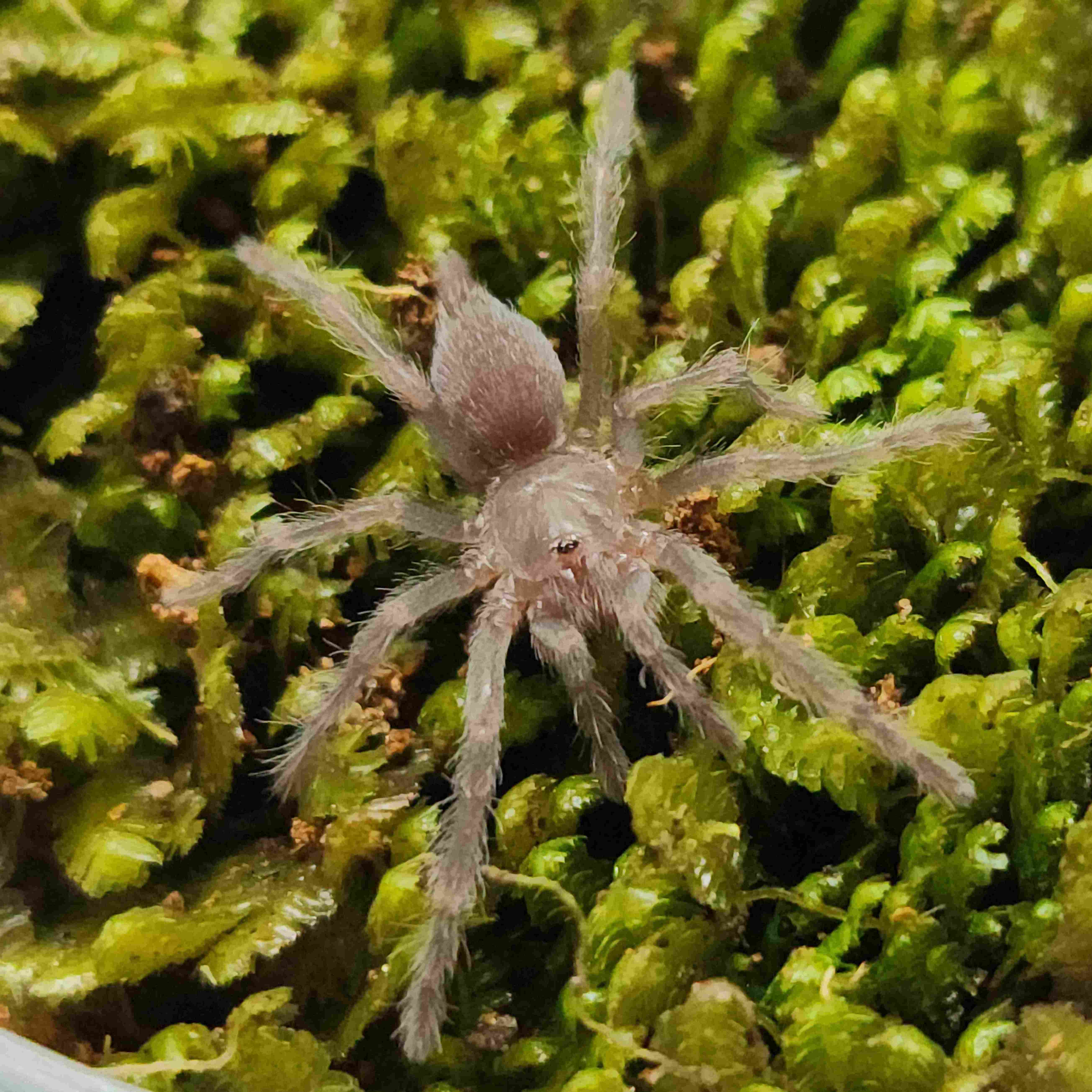
The Phlogius Pseudo Crassipes is a distinctive Australian tarantula known for its resemblance to the closely related Phlogius Crassipes. The “Pseudo Crassipes” name reflects this similar appearance, while closer observation reveals differences in body proportions, leg length and overall structure.
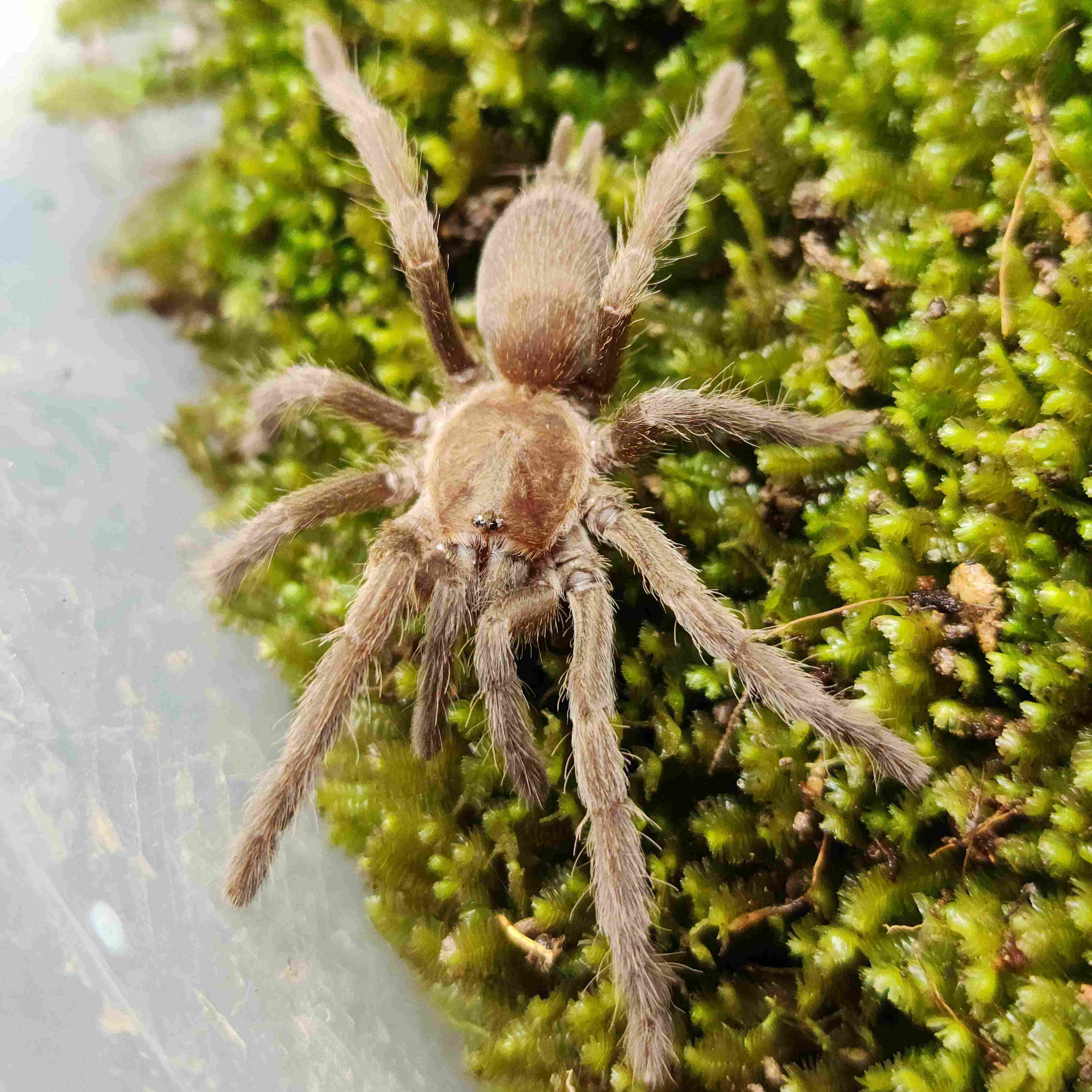
Part of the Phlogius genus, this impressive terrestrial tarantula features a velvety black body, robust legs and subtle colour variations that become particularly interesting as specimens mature. Females can reach a leg span of approximately 17 cm, making this an impressive species for Australian tarantula enthusiasts and specialist collectors.
Scientific Classification
- Scientific Name: Phlogius sp. “Pseudo Crassipes”
- Genus: Phlogius
- Type: Australian terrestrial tarantula
- Common Name: Pseudo Crassipes Tarantula
- Distribution: Australia
- Habitat: Forests, grasslands and other terrestrial environments
- Adult Female Size: Up to approximately 17 cm leg span
Appearance
The Phlogius Pseudo Crassipes has a predominantly velvety black appearance, with subtle variations in colour across the body and legs. Its thick, powerful legs give it a robust appearance and provide the strength and agility needed to capture prey.
One of the most interesting characteristics of this tarantula is its resemblance to Phlogius Crassipes. At first glance, the two can appear remarkably similar, but closer examination can reveal differences in features such as leg proportions, body shape and overall morphology.
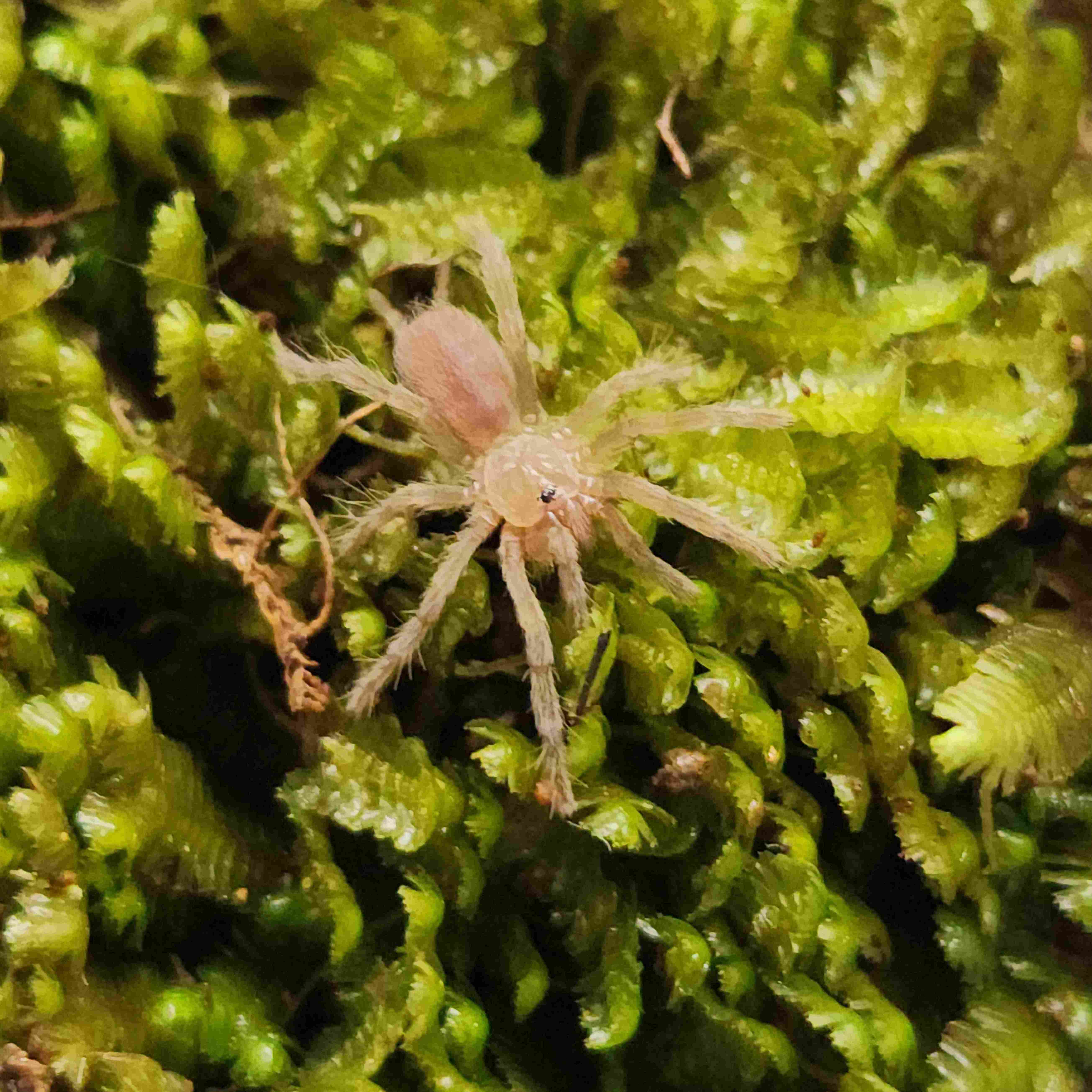
As with many tarantulas, colouration and appearance can vary between individual specimens and may change as the spider matures and undergoes successive moults.
Pseudo Crassipes vs Crassipes
The “Pseudo Crassipes” name refers to the species’ resemblance to Phlogius Crassipes rather than indicating that the two are identical.
While they share a number of visual characteristics, experienced keepers can distinguish differences in their overall proportions and morphology. Differences may be particularly noticeable in:
- Leg length and proportions
- Overall body shape
- Body-to-leg proportions
- Subtle colouration
- General appearance of mature specimens
This visual similarity is part of what makes the Pseudo Crassipes particularly interesting to tarantula collectors.
Natural Habitat & Distribution
The Phlogius Pseudo Crassipes is associated with Australia and can occur across a variety of terrestrial environments, including forests and grassland habitats.
Australian Phlogius species occupy diverse environments, and the exact conditions experienced in the wild can vary considerably depending on locality. Natural shelter can include soil, leaf litter, vegetation, fallen timber and other forms of ground cover.
In captivity, providing a secure terrestrial enclosure with suitable substrate, shelter and appropriate environmental conditions allows the tarantula to display more natural behaviours.
Behaviour
Phlogius Pseudo Crassipes is primarily nocturnal and is generally most active during the evening and nighttime hours. During daylight hours, it may spend considerable time concealed within its shelter or burrow.
As an opportunistic predator, it feeds on insects and other suitably sized invertebrates. Its powerful legs and predatory instincts allow it to capture prey efficiently.
Individual temperament can vary considerably between tarantulas. Even specimens that appear calm should be treated as display animals rather than animals intended for routine handling.
Care Requirements
Phlogius Pseudo Crassipes should be kept in a secure terrestrial enclosure with appropriate substrate, ventilation, shelter and access to fresh drinking water.
A suitable enclosure should include:
- Appropriate terrestrial substrate
- Sufficient substrate depth for natural burrowing behaviour
- Cork bark or another secure hide
- A shallow water dish
- Good ventilation
- Suitable humidity for the individual specimen
- Adequate floor space
- A secure, escape-resistant lid
The enclosure should not be kept constantly saturated. Providing appropriate moisture while maintaining good ventilation helps create a stable environment.
As the tarantula grows, its enclosure should be upgraded to provide sufficient space for its increasing size.
Feeding
Phlogius Pseudo Crassipes is an opportunistic predator that can be fed a variety of appropriately sized live feeder insects.
Suitable prey can include:
- Crickets
- Roaches
- Woodies
- Other appropriately sized feeder insects
Feeding frequency should be adjusted according to the tarantula’s age, size, metabolism and individual behaviour. Younger specimens generally require more frequent feeding while larger specimens can typically be fed less often.
Uneaten prey should be removed where appropriate, particularly if the tarantula begins showing signs of an upcoming moult.
Fresh drinking water should always be available.
Moulting
Like all tarantulas, Phlogius Pseudo Crassipes periodically moults its exoskeleton as it grows. A specimen approaching a moult may become less active, stop feeding or spend more time inside its shelter.
During this period, the tarantula should be left completely undisturbed. Live feeder insects should not be left inside the enclosure while the spider is moulting, as they can potentially injure a vulnerable tarantula.
Maintaining stable environmental conditions and providing access to clean water are important aspects of successful tarantula husbandry.
Growth & Adult Size
Female Phlogius Pseudo Crassipes can reach an impressive leg span of approximately 17 cm. Their substantial size and robust build make mature specimens particularly impressive display animals.
Growth rates can vary according to genetics, feeding, temperature, sex and overall husbandry. As with other tarantulas, males and females can differ considerably in mature size and lifespan.
Why Keep Phlogius Pseudo Crassipes?
Phlogius Pseudo Crassipes is an excellent choice for keepers who enjoy unusual Australian tarantulas and species with interesting morphological characteristics.
Its velvety black colouration, powerful build and resemblance to Phlogius Crassipes make it particularly appealing to collectors interested in comparing different Phlogius forms and species.
The subtle differences in body shape and leg proportions also make this a fascinating species to observe as it develops from a juvenile into a mature tarantula.
Phlogius Pseudo Crassipes Tarantula for Sale
The Phlogius Pseudo Crassipes is a striking Australian tarantula with a velvety black appearance, robust legs and an impressive adult size of up to approximately 17 cm for females. Its resemblance to Phlogius Crassipes, combined with subtle differences in morphology and proportions, makes it a particularly interesting tarantula for collectors. Primarily nocturnal and predatory, this fascinating Phlogius is an excellent addition to a specialist Australian tarantula collection.