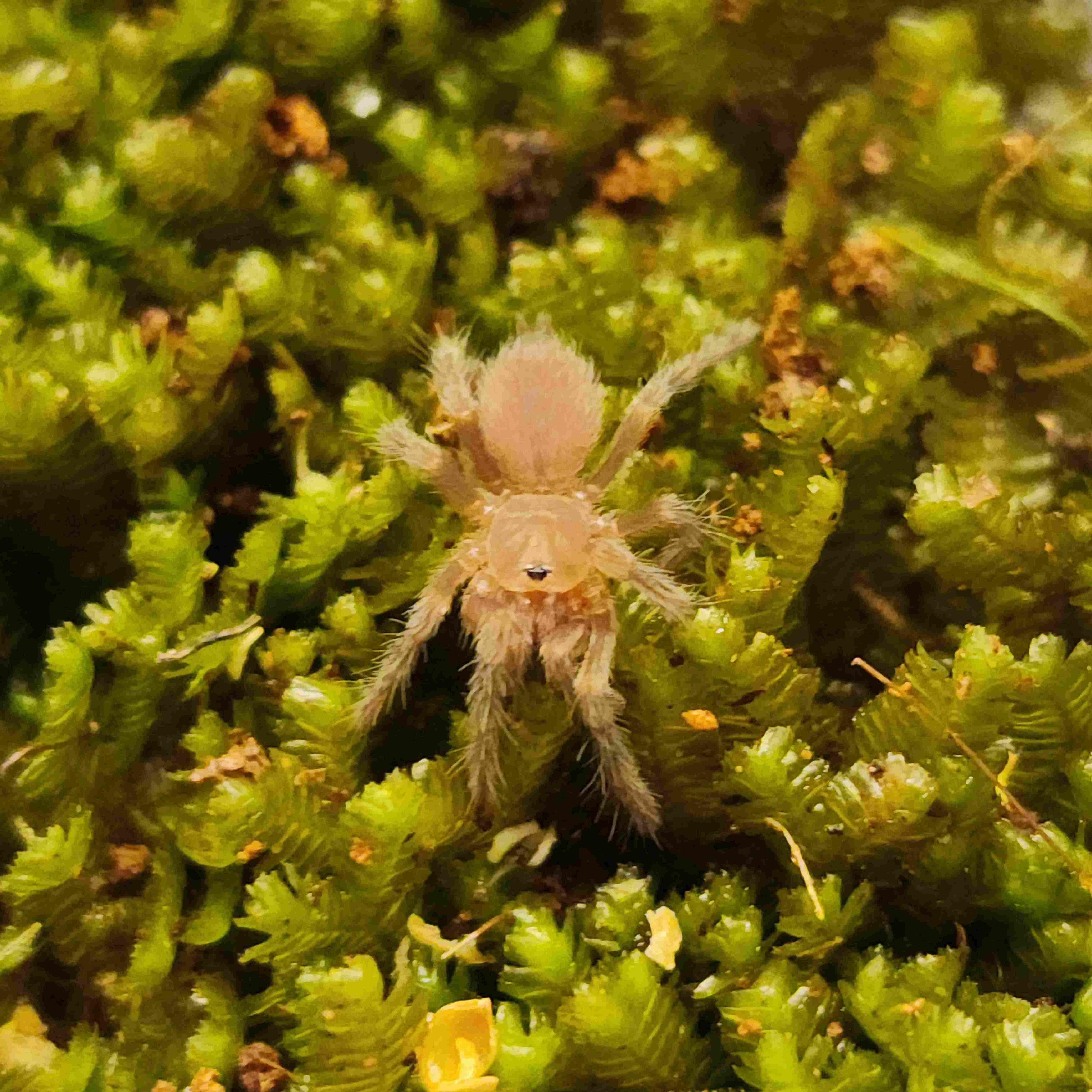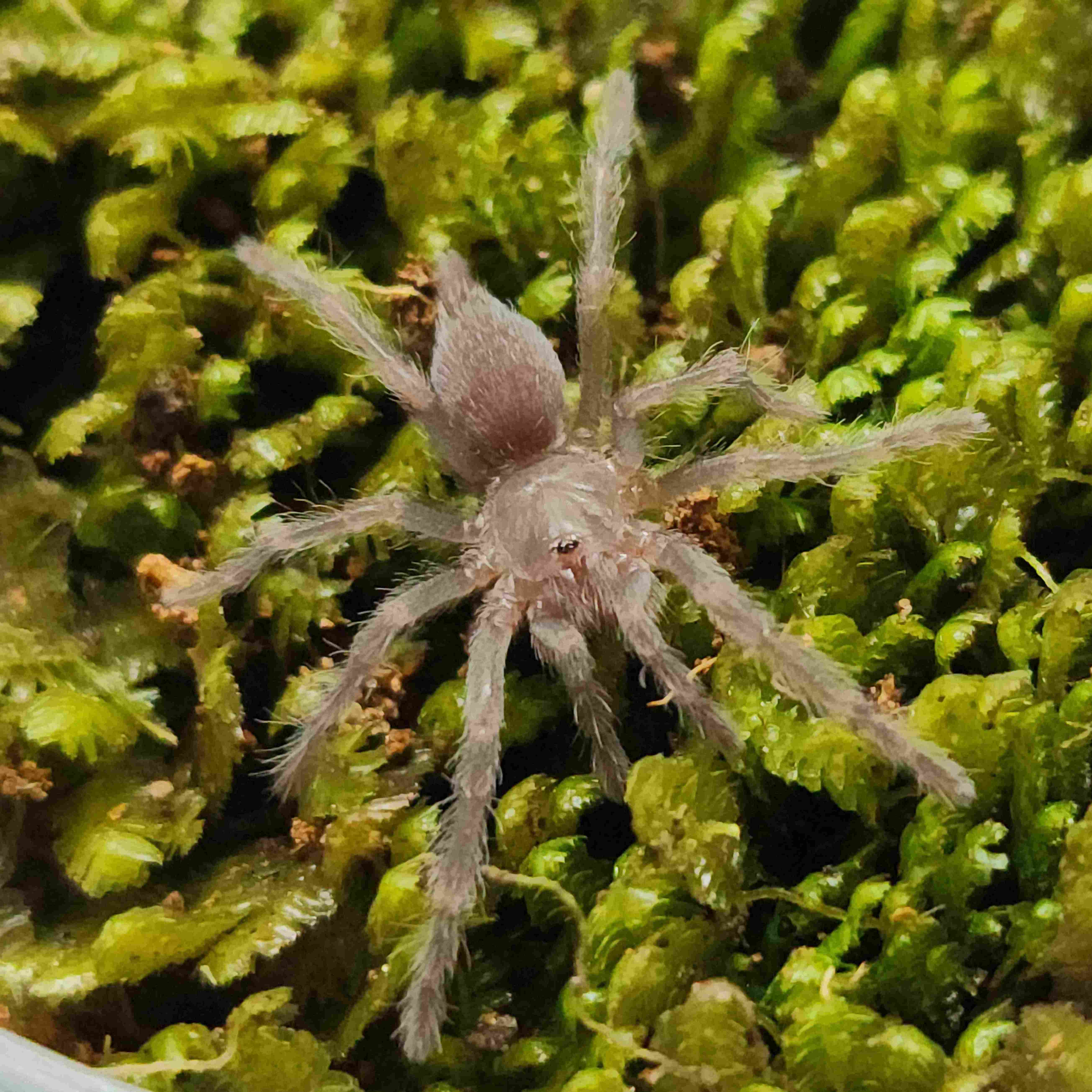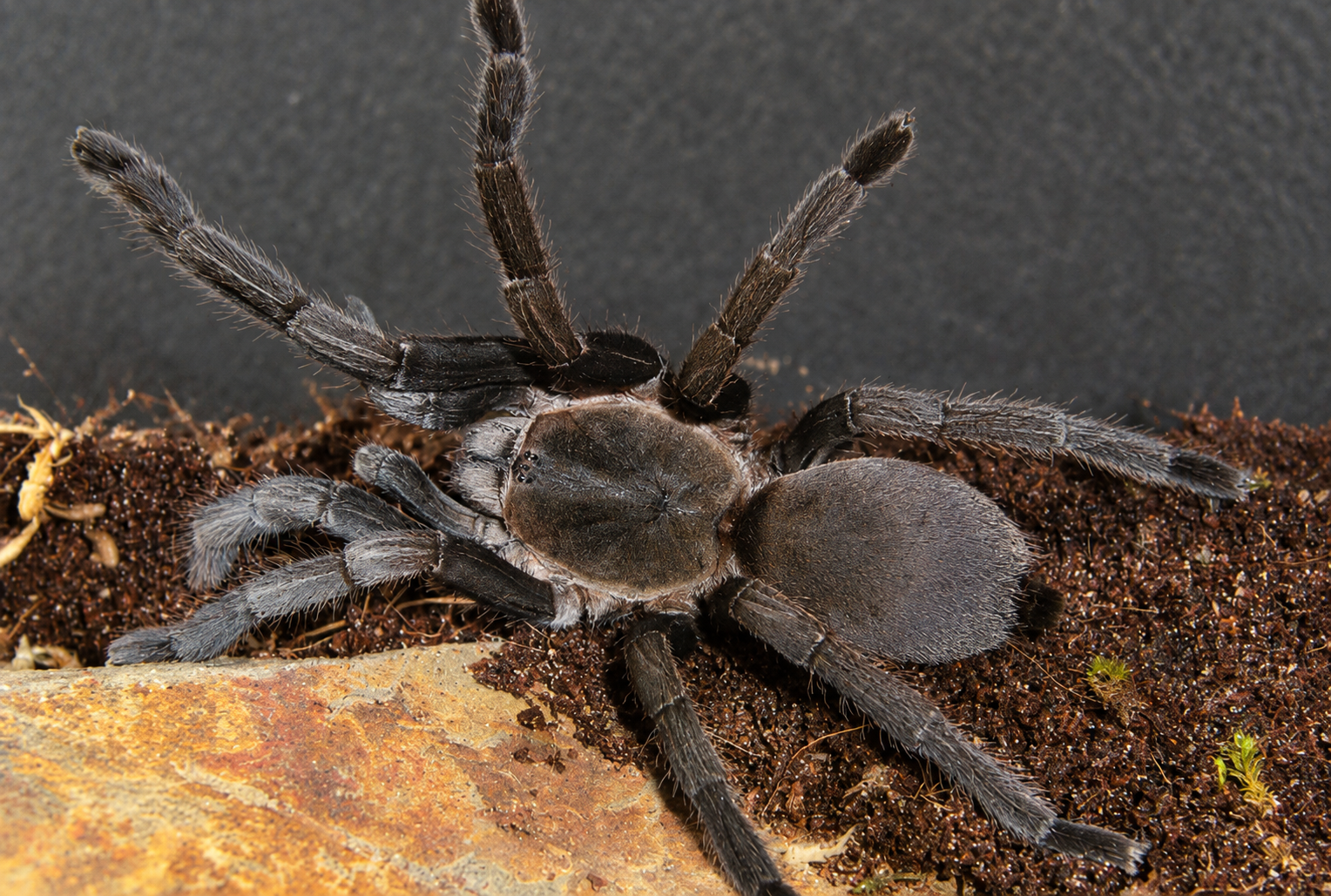
Phlogius Rubiseta Australian Tarantula
The Phlogius Rubiseta is a striking Australian tarantula prized for its deep velvet-black colouration, distinctive reddish hairs and impressive adult size. Native to Queensland, this terrestrial tarantula is a popular choice among enthusiasts who appreciate large, dark-coloured Australian tarantulas with contrasting red tones.
With its robust body, thick legs and characteristic red hairing across the abdomen and legs, the Phlogius Rubiseta has a dramatic appearance that makes it stand out in a specialist tarantula collection. Females can reach an impressive leg span of approximately 18 cm, making this species particularly appealing to keepers who enjoy observing large terrestrial spiders.
Whether you’re expanding an established collection or looking for a distinctive Australian tarantula, the Phlogius Rubiseta offers an opportunity to observe fascinating nocturnal behaviour, natural retreat-building and the growth of a substantial spider.
Scientific Classification
- Scientific Name: Phlogius rubiseta
- Genus: Phlogius
- Family: Theraphosidae
- Type: Australian Tarantula
- Common Name: Phlogius Rubiseta / Red-Headed Tarantula
- Distribution: Queensland, Australia
- Lifestyle: Terrestrial / burrowing
Appearance
The Phlogius Rubiseta is known for its contrasting dark body and reddish hairing, giving it a distinctive appearance among Australian tarantulas.
Key features include:
- Deep velvet-black to dark brown body colouration
- Distinctive reddish hairs across the abdomen and legs
- Robust, heavy-bodied appearance
- Thick, hairy legs
- Impressive adult proportions
- Contrasting red and black tones that become more noticeable as the spider matures
The intensity of the red hairs can vary between individual specimens and may change in appearance following successive moults. This combination of dark colouration and reddish detailing gives the Phlogius Rubiseta considerable appeal among tarantula enthusiasts.
Natural Background
The Phlogius Rubiseta is associated with Queensland, Australia, where suitable habitats provide shelter, prey and environmental conditions for terrestrial tarantulas.
Members of the Phlogius genus are generally ground-dwelling spiders that use retreats and burrows for protection. They may incorporate silk around their retreat entrances and surrounding substrate, creating a sheltered area from which to detect and capture passing prey.
Replicating suitable substrate conditions and providing a secure hiding place in captivity can encourage natural behaviours and help the spider feel secure within its enclosure.
Behaviour
The Phlogius Rubiseta is a fascinating species to observe, particularly as it becomes established in its enclosure.
Like many Australian tarantulas, it is often more active during darker periods and may spend much of the day inside its retreat. It uses its speed and strength to capture prey rather than relying on a web to trap insects.
Behavioural characteristics may include:
- Spending extended periods in a sheltered retreat
- Increased activity during the evening and night
- Natural burrowing and retreat-building behaviour
- Rapid feeding responses when prey is nearby
- Individual differences in temperament and defensiveness
Australian tarantulas can react quickly when disturbed and may adopt defensive postures or bite if threatened. They should be treated as display animals rather than handled.
Phlogius Rubiseta Care
The Phlogius Rubiseta should be housed in a secure terrestrial enclosure with suitable substrate, shelter, ventilation and access to fresh drinking water.
A suitable setup can include:
- A secure, escape-proof enclosure
- A deep layer of suitable substrate
- Cork bark or another stable hide
- Substrate that retains some moisture without becoming waterlogged
- Good ventilation
- A shallow water dish
- Appropriate temperature and moisture conditions
- Minimal unnecessary disturbance
Although the species is associated with Queensland habitats, its exact environmental requirements depend on its locality and the conditions in which it is maintained. Avoid excessive moisture and ensure that the enclosure has adequate airflow.
As the spider grows, provide sufficient floor space and substrate depth for its adult size and natural terrestrial behaviour.
Feeding
The Phlogius Rubiseta is a carnivorous predator that can be maintained on an appropriate diet of live feeder insects.
Suitable food items may include:
- Crickets
- Woodies
- Cockroaches
- Other appropriately sized feeder insects
Choose prey according to the spider’s size and body condition. Younger specimens generally require smaller prey and more frequent feeding opportunities, while mature females may feed less frequently.
Remove uneaten prey when appropriate, particularly if the tarantula stops feeding or shows signs of preparing to moult. Always provide access to clean drinking water.
Moulting
Like all tarantulas, the Phlogius Rubiseta periodically sheds its exoskeleton as it grows.
During pre-moult, the spider may become less active, spend more time inside its retreat or refuse food. These behaviours are normal parts of the moulting process.
During this vulnerable period:
- Avoid unnecessary disturbance.
- Remove live prey when appropriate.
- Maintain suitable environmental conditions.
- Ensure access to clean drinking water.
- Allow the new exoskeleton and fangs time to harden before feeding resumes.
Moulting is an important part of the spider’s development, and successive moults may bring changes in body size and the intensity of its red and black colouration.
Growth & Adult Size
The Phlogius Rubiseta is an impressive Australian tarantula, with females capable of reaching approximately 18 cm in leg span.
Growth rate varies depending on sex, age, feeding frequency, temperature and individual genetics. Juveniles gradually develop their adult proportions and characteristic colouration through successive moults.
Female tarantulas generally have a longer potential lifespan than males, making mature females particularly appealing to collectors seeking a long-term display animal.
Why Keep the Phlogius Rubiseta?
The Phlogius Rubiseta is an excellent choice for enthusiasts interested in distinctive Australian tarantulas with dark colouration and contrasting red details.
Key features include:
- Striking velvet-black appearance
- Distinctive reddish hairs across the body and legs
- Australian tarantula associated with Queensland
- Impressive female leg span of up to approximately 18 cm
- Interesting terrestrial and retreat-building behaviour
- Fascinating feeding and moulting behaviours
- A distinctive addition to specialist tarantula collections
With its dramatic black-and-red colouration, robust build and impressive adult size, the Phlogius Rubiseta Australian Tarantula is a standout species for arachnid enthusiasts. Its combination of visual appeal and fascinating natural behaviour makes it a rewarding addition to a collection maintained with appropriate care.