Cubaris marmorata
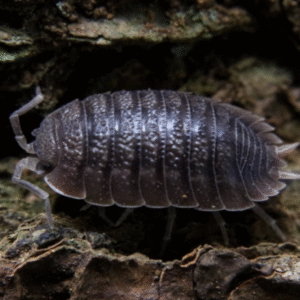
Cubaris marmorata is a beautiful and distinctive Australian terrestrial isopod recognised for its attractive marbled or mottled body pattern, rounded armoured shape, and hardy nature. Its natural colour variation and unique markings make this species a popular choice among Australian isopod keepers, bioactive enthusiasts, and dedicated invertebrate collectors.
With its eye-catching pattern, interesting behaviour, and natural role as a detritivore, Cubaris marmorata is well suited to bioactive terrariums, naturalistic vivariums, and dedicated isopod breeding colonies.
Scientific Classification
Genus: Cubaris
Species: Cubaris marmorata
Family: Armadillidae
Common Name: Cubaris marmorata
Type: Australian Terrestrial Isopod
Appearance
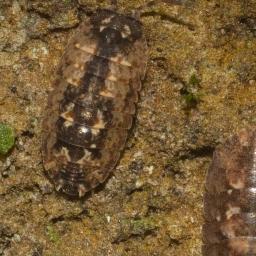
Cubaris marmorata is particularly admired for its distinctive marbled appearance and rounded, heavily armoured body.
- Distinctive marbled or mottled pattern
- Colouration ranging from grey and charcoal to brown
- Contrasting lighter markings across the body
- Smooth, rounded and armoured exoskeleton
- Compact body shape
- Capable of conglobation, rolling into a protective ball when disturbed
The pattern and colouration can vary between individuals, giving colonies a natural variety of markings and making each Cubaris marmorata isopod visually unique.
Habitat & Distribution
Cubaris marmorata is a native Australian terrestrial isopod associated with humid, sheltered environments containing abundant organic material and natural cover.
Suitable natural habitats include:
- Deep leaf litter
- Beneath fallen logs and rotting timber
- Under bark and natural debris
- Moist woodland floors
- Forest floor environments
- Areas rich in decomposing organic material
These environments provide the moisture, food, shelter, and stable microclimates required by terrestrial isopods.
When recreating their habitat in captivity, a naturalistic setup containing leaf litter, decaying hardwood, bark, moss, and moisture-retaining substrate can provide an excellent environment for a healthy colony.
Behaviour & Diet
Cubaris marmorata are primarily nocturnal and generally remain hidden during daylight hours beneath bark, logs, leaf litter, and other natural cover. They become more active after dark when they emerge to explore and forage.
As detritivores, they feed on decomposing organic material such as:
- Decaying leaves
- Rotting hardwood
- Fungi
- Dead plant matter
- Decomposing organic debris
Their natural feeding behaviour helps break down organic matter and recycle nutrients within the ecosystem, making Cubaris marmorata a useful member of a bioactive terrarium cleanup crew.
When threatened or disturbed, these isopods can curl into a tight protective ball through conglobation. Their hardened exoskeleton provides protection for the softer underside of their body.
Cubaris marmorata Care
Cubaris marmorata care is relatively straightforward when their basic environmental requirements are met. They perform best in a stable, humid enclosure with good ventilation, abundant organic material, and plenty of hiding spaces.
For a healthy colony, provide:
- A consistently humid environment
- A moisture gradient with damp and slightly drier areas
- Good ventilation and airflow
- Deep, organic-rich substrate
- Plenty of dried leaf litter
- Decaying hardwood and rotting wood
- Cork bark and other natural hiding places
- Moss or other moisture-retaining material
- A calcium source such as cuttlebone or crushed eggshell
Maintaining a moisture gradient allows the isopods to move between wetter and drier areas as required. Avoid excessive waterlogging, while ensuring that the enclosure retains sufficient humidity.
Cubaris marmorata as a Bioactive Cleanup Crew
As natural detritivores, Cubaris marmorata can contribute to a healthy bioactive ecosystem by consuming decaying leaves, wood, fungi, and other organic debris.
They can be kept in suitable:
- Bioactive terrariums
- Naturalistic vivariums
- Woodland-style enclosures
- Native Australian habitats
- Dedicated isopod breeding setups
- Terrestrial invertebrate displays
Their decomposition activity helps break down organic material and recycle nutrients within the substrate, making them a valuable component of a natural bioactive cleanup crew.
They can also be kept alongside suitable springtails, which help consume mould and smaller organic waste, creating a more complete cleanup crew.
Breeding Cubaris marmorata
With suitable care and stable environmental conditions, Cubaris marmorata can establish and reproduce within a dedicated isopod enclosure. Providing plenty of food, moisture, calcium, and shelter helps support healthy growth, moulting, and reproduction.
For successful Cubaris marmorata breeding, maintain consistent environmental conditions and provide an abundance of leaf litter and decomposing hardwood. Avoid excessive disturbance of the colony, particularly when juveniles are present.
As the colony matures, healthy conditions can allow the population to gradually increase and establish a stable breeding colony.
Why Keep Cubaris marmorata?
Cubaris marmorata is an excellent choice for enthusiasts looking for an attractive and unusual Australian isopod with natural colour variation and fascinating defensive behaviour.
Key features include:
- Distinctive marbled and mottled pattern
- Attractive grey, charcoal, brown, and lighter markings
- Rounded, heavily armoured body
- Capable of rolling into a protective ball
- Native Australian terrestrial isopod
- Interesting nocturnal behaviour
- Natural detritivore and decomposer
- Suitable for bioactive terrariums
- Excellent addition to specialist isopod collections
- Suitable for dedicated breeding colonies
For enthusiasts searching for a beautiful Australian terrestrial isopod, Cubaris marmorata offers an appealing combination of natural marbled colouration, interesting behaviour, hardiness, and bioactive cleanup-crew capabilities.