Phlogius Proserpine Australian Tarantula
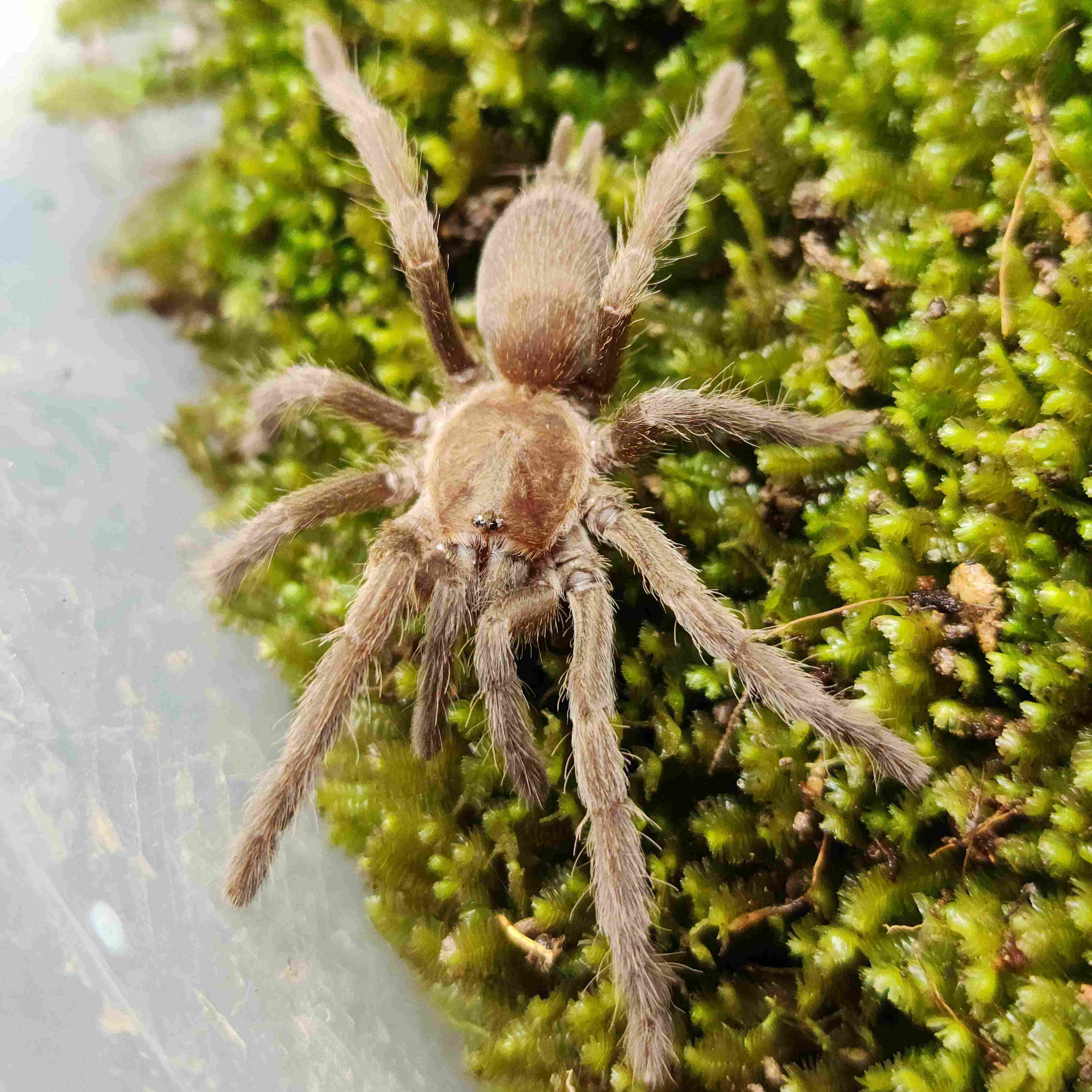
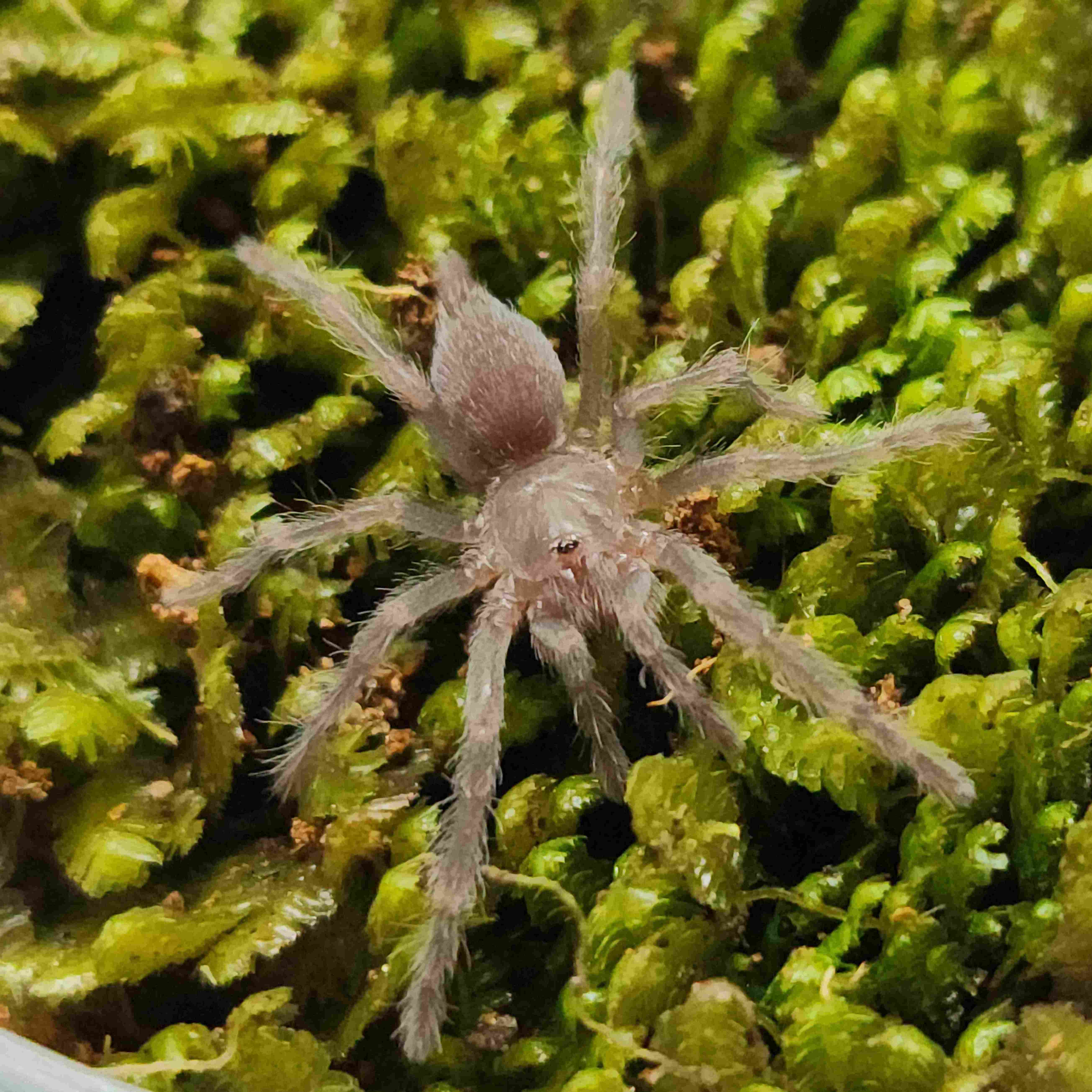
The Phlogius Proserpine is a striking Australian tarantula associated with the Proserpine region of Queensland. Known for its glossy black body, contrasting white markings and impressive adult size, this terrestrial tarantula is a fascinating choice for collectors and enthusiasts interested in Australia’s diverse native tarantula fauna.
With its bold black-and-white colouration and robust build, the Phlogius Proserpine makes an eye-catching addition to a specialist tarantula collection. Females can reach a leg span of approximately 17 cm, making mature specimens particularly impressive.
Scientific Classification
- Scientific Name: Phlogius sp. “Proserpine”
- Genus: Phlogius
- Type: Australian terrestrial tarantula
- Common Name: Phlogius Proserpine
- Locality: Proserpine, Queensland, Australia
- Habitat: Tropical and terrestrial environments
- Adult Female Size: Up to approximately 17 cm leg span
Appearance
The Phlogius Proserpine has a glossy black body complemented by distinctive white stripes and markings across its legs and abdomen. This strong contrast gives the species a particularly striking appearance and makes it an attractive addition to an Australian tarantula collection.
Its body is robust, with strong legs suited to terrestrial movement and hunting. Females can reach an impressive leg span of up to approximately 17 cm, giving mature specimens a substantial presence.
The intensity and distribution of the white markings can vary between individual specimens and may become more pronounced or change as the tarantula matures and undergoes successive moults.
Natural Habitat & Distribution
The Phlogius Proserpine is associated with the Proserpine region of Queensland, Australia. The area contains warm and humid environments that provide suitable conditions for terrestrial tarantulas.
Natural shelter can include soil, leaf litter, vegetation, fallen timber and other ground-level debris. These features provide protection during daylight hours while also offering opportunities for hunting and exploration after dark.
In captivity, a secure terrestrial enclosure with appropriate substrate, shelter and stable environmental conditions can help create a naturalistic environment for this species.
Behaviour
Phlogius Proserpine is primarily nocturnal, with activity generally increasing during the evening and nighttime hours. During the day, it may remain concealed within its shelter or burrow.
Like other Phlogius tarantulas, it is an opportunistic predator that feeds on insects and other suitably sized invertebrates. Its strong legs and powerful fangs allow it to capture and subdue prey efficiently.
Individual temperament can vary between specimens. Regardless of temperament, tarantulas should be treated as display animals and should not be handled unnecessarily.
Care Requirements
Phlogius Proserpine should be maintained in a secure terrestrial enclosure with appropriate substrate, ventilation, shelter and access to fresh drinking water.
A suitable enclosure should include:
- Appropriate terrestrial substrate
- Sufficient substrate depth for burrowing
- Cork bark or another secure hide
- A shallow water dish
- Good ventilation
- Stable environmental conditions
- Adequate floor space
- A secure, escape-resistant lid
The substrate should be maintained at an appropriate moisture level without becoming constantly saturated. Good ventilation is important for maintaining a stable enclosure environment.
As this species can reach a substantial adult size, its enclosure should be upgraded as the tarantula grows.
Feeding
Phlogius Proserpine is an opportunistic predator that can be fed a variety of appropriately sized feeder insects.
Suitable prey can include:
- Crickets
- Roaches
- Woodies
- Other appropriately sized feeder insects
Feeding frequency depends on factors such as age, size, metabolism, temperature and individual appetite. Younger specimens generally require more frequent feeding, while mature tarantulas can usually be fed less often.
Uneaten prey should be removed where appropriate, particularly when the tarantula begins showing signs of an upcoming moult.
Fresh drinking water should always be available.
Moulting
Like all tarantulas, Phlogius Proserpine periodically moults its exoskeleton as it grows. A specimen approaching a moult may become less active, refuse food or spend increased amounts of time inside its shelter.
During this period, the tarantula should be left completely undisturbed. Live feeder insects should not be left inside the enclosure while the spider is moulting, as they may potentially injure a vulnerable specimen.
Maintaining stable environmental conditions and providing access to clean drinking water are important aspects of successful tarantula husbandry.
Growth & Adult Size
Female Phlogius Proserpine can reach an impressive leg span of approximately 17 cm. This substantial size, combined with the species’ contrasting black-and-white colouration, makes mature females particularly impressive display animals.
Growth rates can vary depending on genetics, feeding, temperature, sex and overall husbandry. As with many tarantulas, males and females can differ considerably in mature size and lifespan.
Why Keep Phlogius Proserpine?
Phlogius Proserpine is an excellent choice for collectors who appreciate visually distinctive Australian tarantulas. Its combination of a glossy black body, contrasting white markings and impressive adult size gives it plenty of visual appeal.
Its association with the Proserpine region also makes it particularly interesting to collectors who enjoy Australian locality forms and the geographic diversity of Australia’s native tarantulas.
Whether you’re an experienced tarantula keeper or building a specialist Australian invertebrate collection, Phlogius Proserpine offers an impressive display species with a distinctive appearance and fascinating nocturnal behaviour.
Phlogius Proserpine Tarantula for Sale
The Phlogius Proserpine is a striking Australian tarantula featuring a glossy black body, distinctive white markings and an impressive female leg span of up to approximately 17 cm. Associated with the Proserpine region of Queensland, this terrestrial Phlogius is a fascinating species for collectors and enthusiasts interested in Australian tarantulas. Its contrasting colouration, robust build, nocturnal behaviour and impressive adult size make the Phlogius Proserpine a standout addition to a specialist tarantula collection.
Shipping
We take care to package all live invertebrates securely and appropriately for transport. Orders are prepared with the welfare of the animal in mind and shipped using our established live-invertebrate shipping procedures. Please review our shipping information before placing an order to ensure delivery is available to your location and that you understand our live arrival and shipping conditions.