Speckled Alloniscus
Speckled Alloniscus are an interesting type of terrestrial isopod admired by invertebrate enthusiasts for their distinctive speckled appearance, active behaviour and unique characteristics. They are a great addition to specialist isopod collections and are particularly appealing to keepers looking to expand their collection with less commonly kept terrestrial crustaceans.
Unlike insects, isopods are terrestrial crustaceans related to crabs and prawns. They play an important role in breaking down decaying organic matter, helping recycle nutrients within their environment. Their natural behaviours and contribution to decomposition make them an interesting species to observe and maintain.
Scientific Classification
- Common name: Speckled Alloniscus
- Genus: Alloniscus
- Order: Isopoda
- Suborder: Oniscidea
- Type: Terrestrial isopod
- Scientific name: Alloniscus sp. (species identification not confirmed)
Appearance
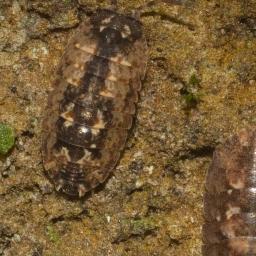
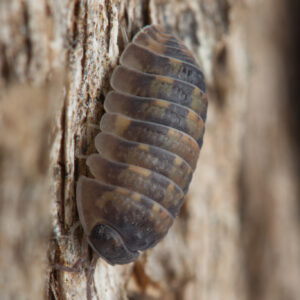
Speckled Alloniscus are recognised for their distinctive patterned appearance, featuring speckled markings across their segmented exoskeleton. Their unique patterning gives them an attractive appearance compared with more commonly kept isopods.
Like other members of the genus Alloniscus, they have a flattened, segmented body, multiple pairs of legs and prominent antennae. Their unusual appearance makes them an appealing choice for collectors interested in diverse isopod species.
Behaviour
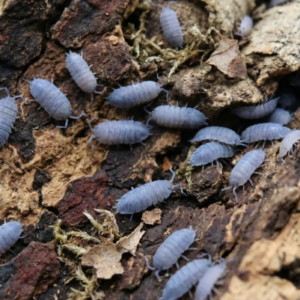
Speckled Alloniscus are active terrestrial isopods that explore their surroundings in search of food, shelter and suitable environmental conditions.
They are natural decomposers, feeding on decaying organic material and contributing to nutrient recycling. Providing plenty of hiding places, leaf litter and suitable substrate allows them to display their natural behaviours.
Care Requirements
Speckled Alloniscus require a well-maintained enclosure with appropriate humidity, ventilation and access to both moist and relatively dry areas.
A suitable setup should include:
- A secure, well-ventilated enclosure
- Moisture-retaining substrate containing organic material
- A consistent supply of leaf litter
- Cork bark and other suitable hiding places
- A moisture gradient with access to both damp and drier areas
- A calcium source to support healthy exoskeleton development
Avoid waterlogged substrate, excessive heat and poor ventilation. Maintaining stable environmental conditions is important for the health and long-term success of the colony.
Feeding
Speckled Alloniscus primarily feed on decaying organic matter, particularly decomposing leaves and plant material.
Additional foods may include:
- Leaf litter from suitable pesticide-free sources
- Decaying hardwood
- Small amounts of vegetables
- Commercial isopod food
- Occasional protein supplements
Provide a consistent supply of leaf litter and remove uneaten fresh food before it begins to spoil. A varied diet and access to calcium help support healthy growth and development.
Breeding and Growth
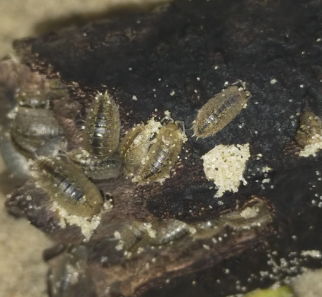
Like other terrestrial isopods, Speckled Alloniscus reproduce sexually, with females carrying developing young in a specialised brood pouch known as a marsupium.
Young isopods emerge as miniature versions of the adults and gradually grow through successive moults.
Breeding success depends on suitable humidity, temperature, food availability and colony maturity. Providing stable conditions, sufficient food and plenty of shelter can help encourage a healthy, established colony.
Why Keep Speckled Alloniscus?
Speckled Alloniscus are an excellent choice for invertebrate enthusiasts interested in expanding beyond commonly available isopod varieties. Their distinctive speckled patterning, active behaviour and role as natural decomposers make them an interesting addition to specialist collections.
Whether maintained as a dedicated breeding colony or incorporated into a suitable bioactive enclosure, Speckled Alloniscus offer an opportunity to keep and observe a less commonly encountered terrestrial isopod.