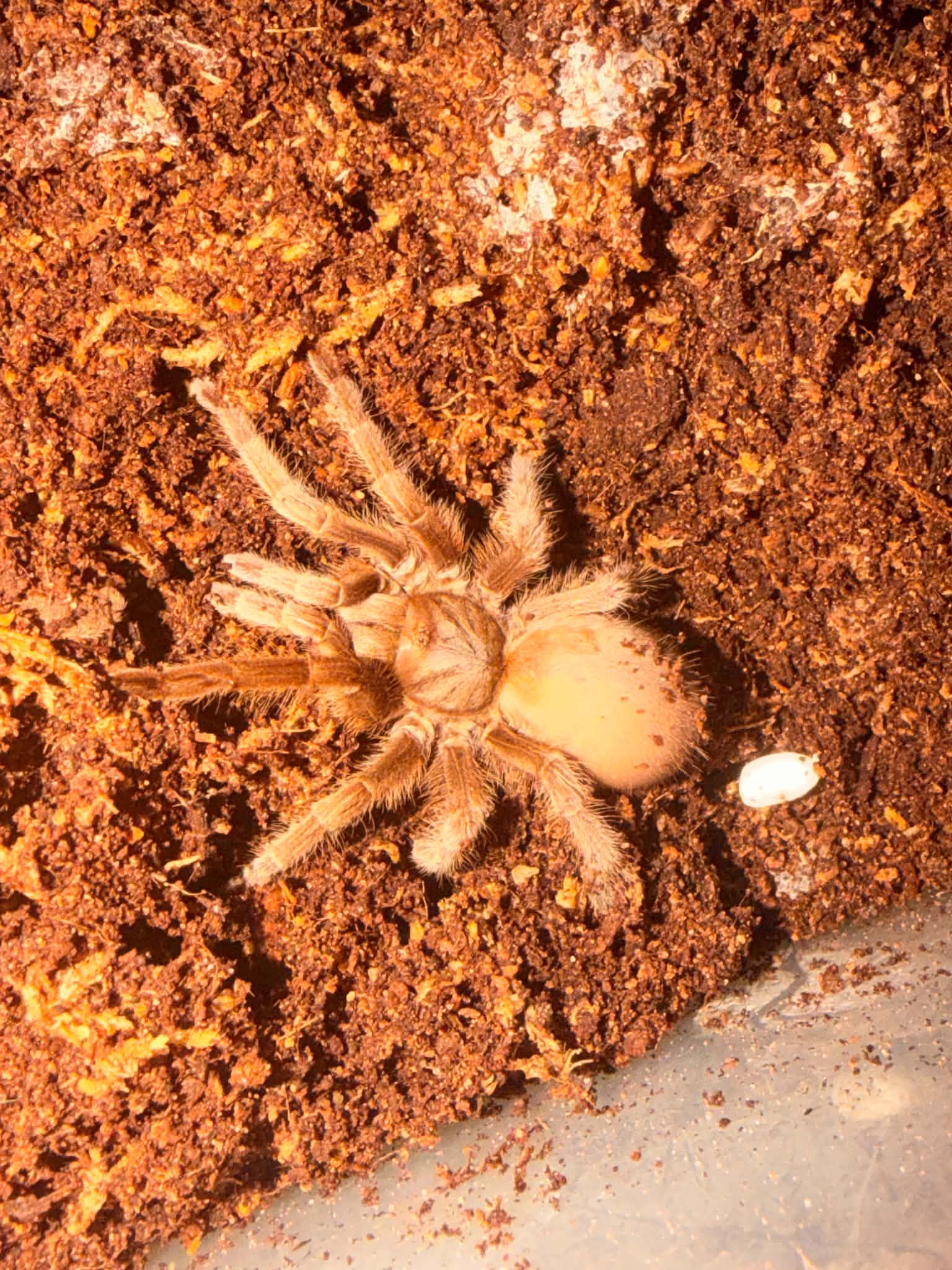
Selenotypus Banana
The Selenotholus Kotzman is a fascinating Australian tarantula prized by specialist keepers for its distinctive appearance, burrowing behaviour and place among Australia’s native mygalomorph spiders. Commonly referred to as the Kotzman Mallee Tarantula, this species is associated with the genus Selenotholus and is an interesting addition to collections focused on Australian tarantulas.
Known in the hobby as Selenotholus sp. “Kotzman”, this tarantula is associated with the mallee regions of western New South Wales. Its terrestrial lifestyle and tendency to establish a burrow make it an intriguing species for keepers who enjoy observing natural spider behaviour.
Scientific Classification
- Scientific Name: Selenotholus sp. “Kotzman”
- Genus: Selenotholus
- Type: Australian Tarantula
- Common Name: Kotzman Mallee Tarantula
- Lifestyle: Terrestrial / burrowing
Appearance
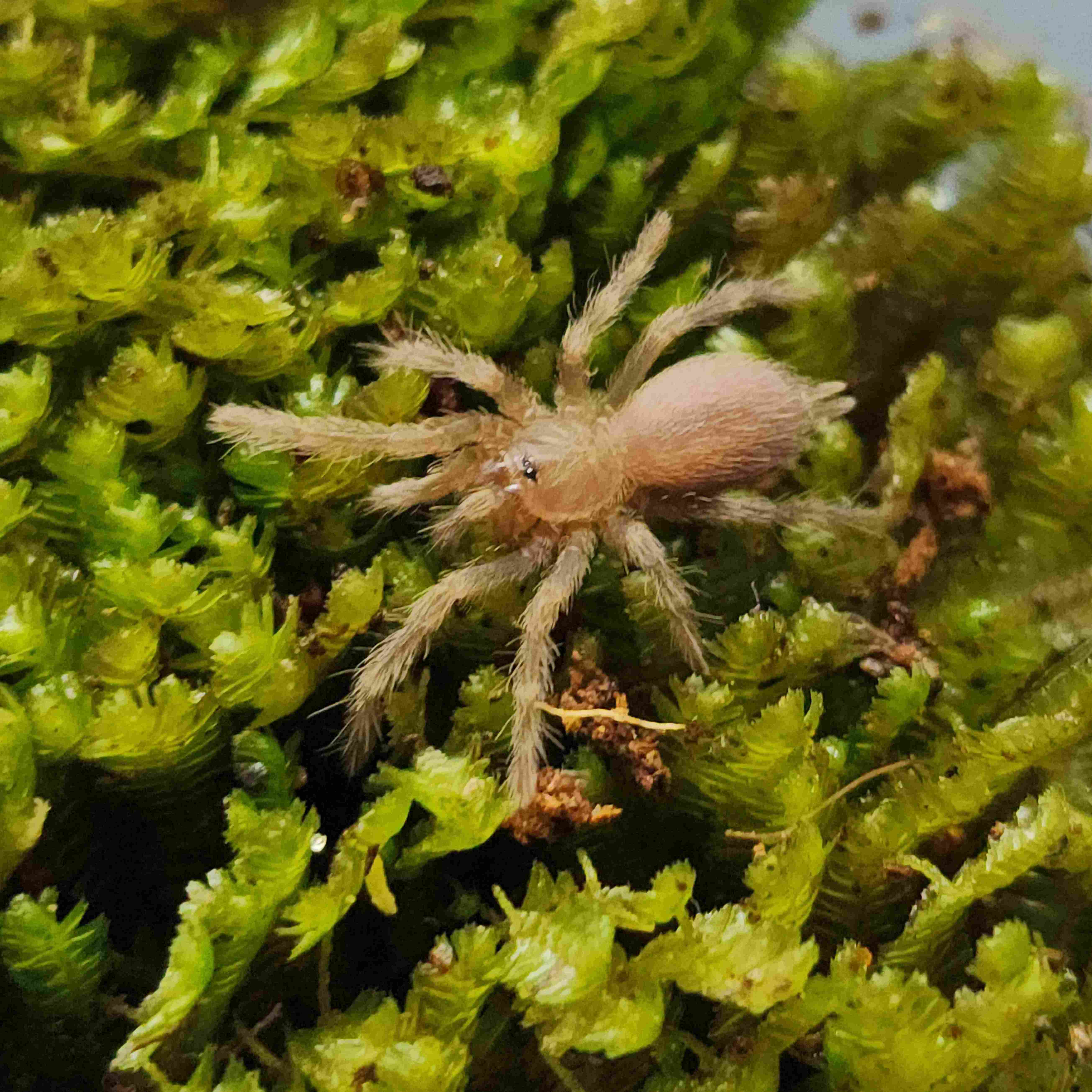
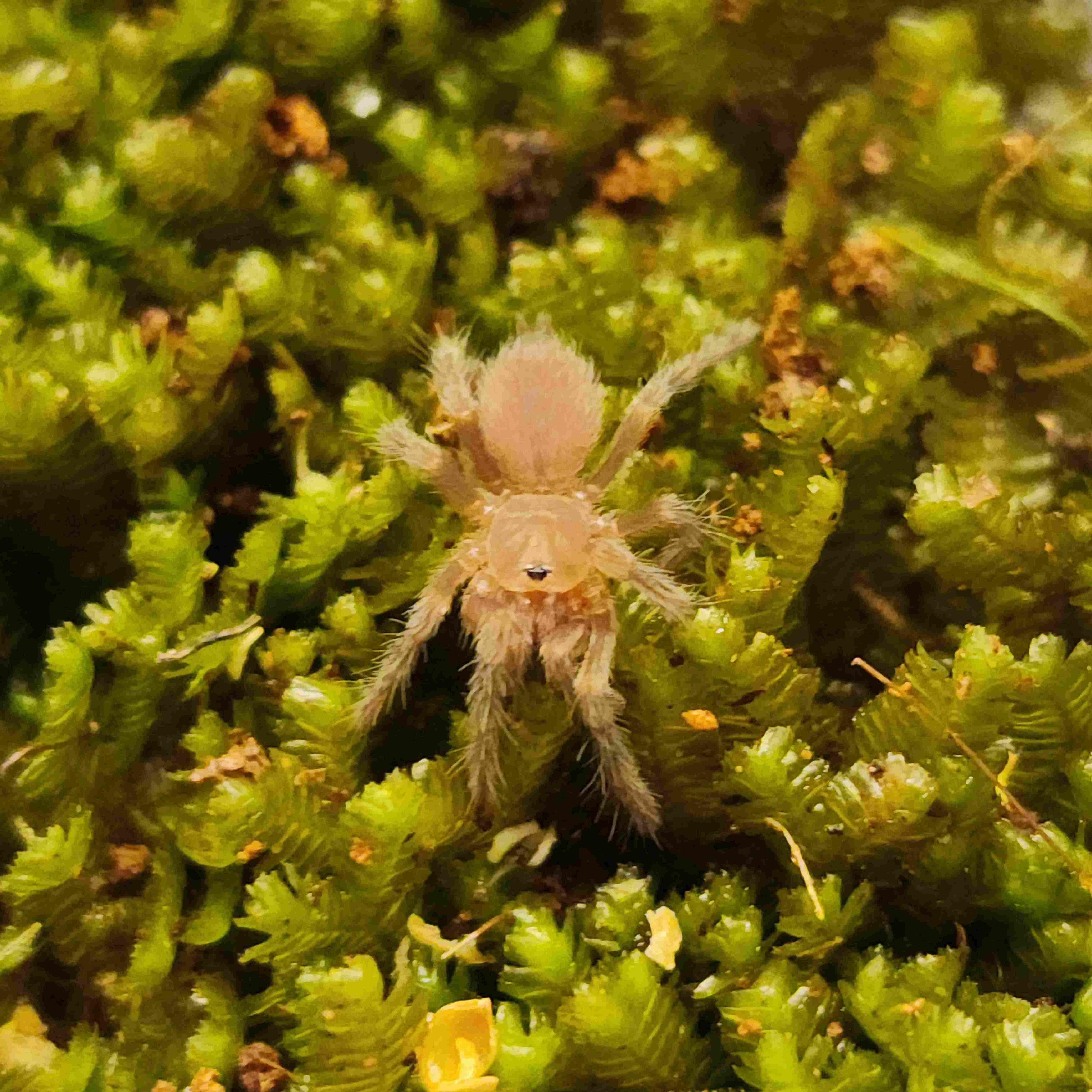
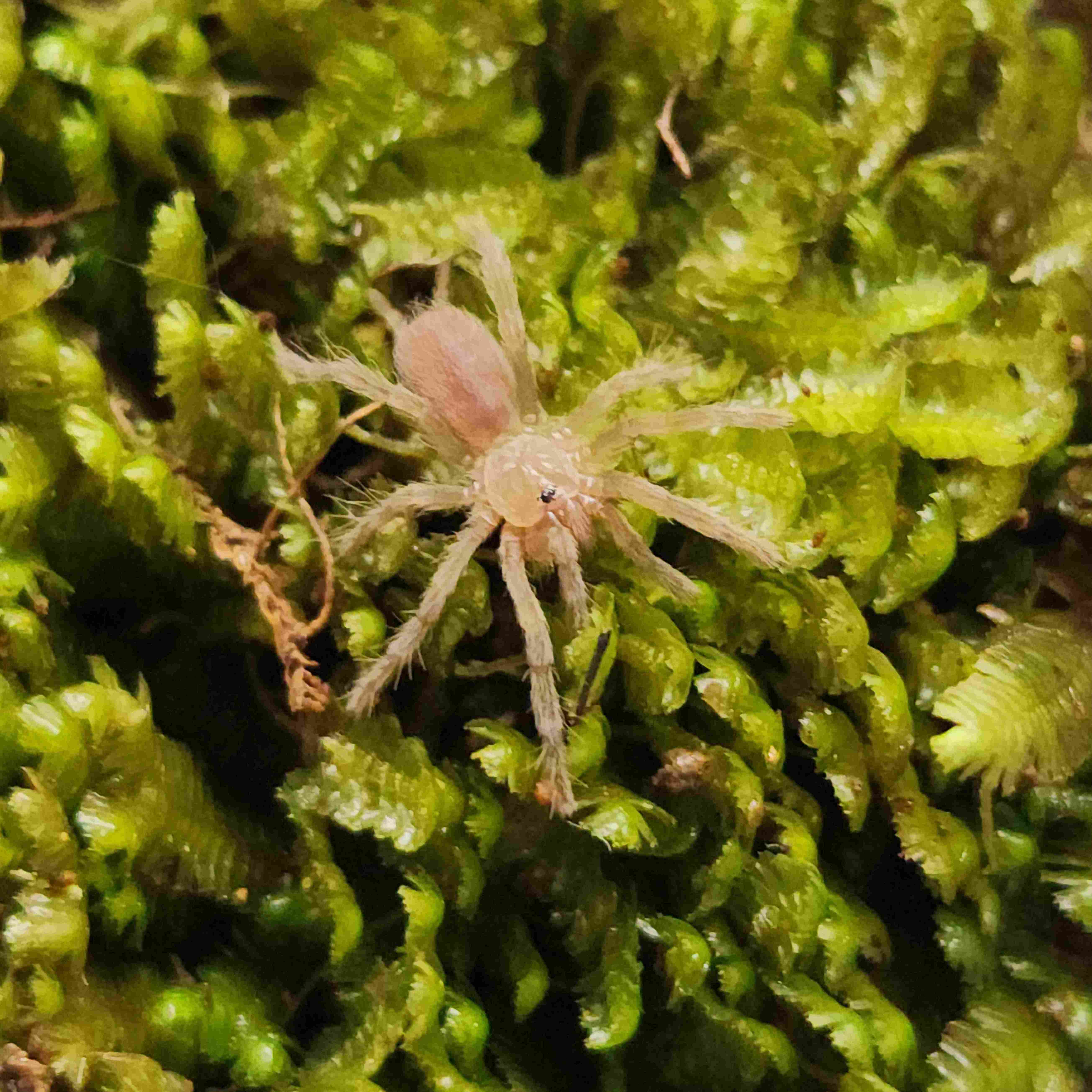
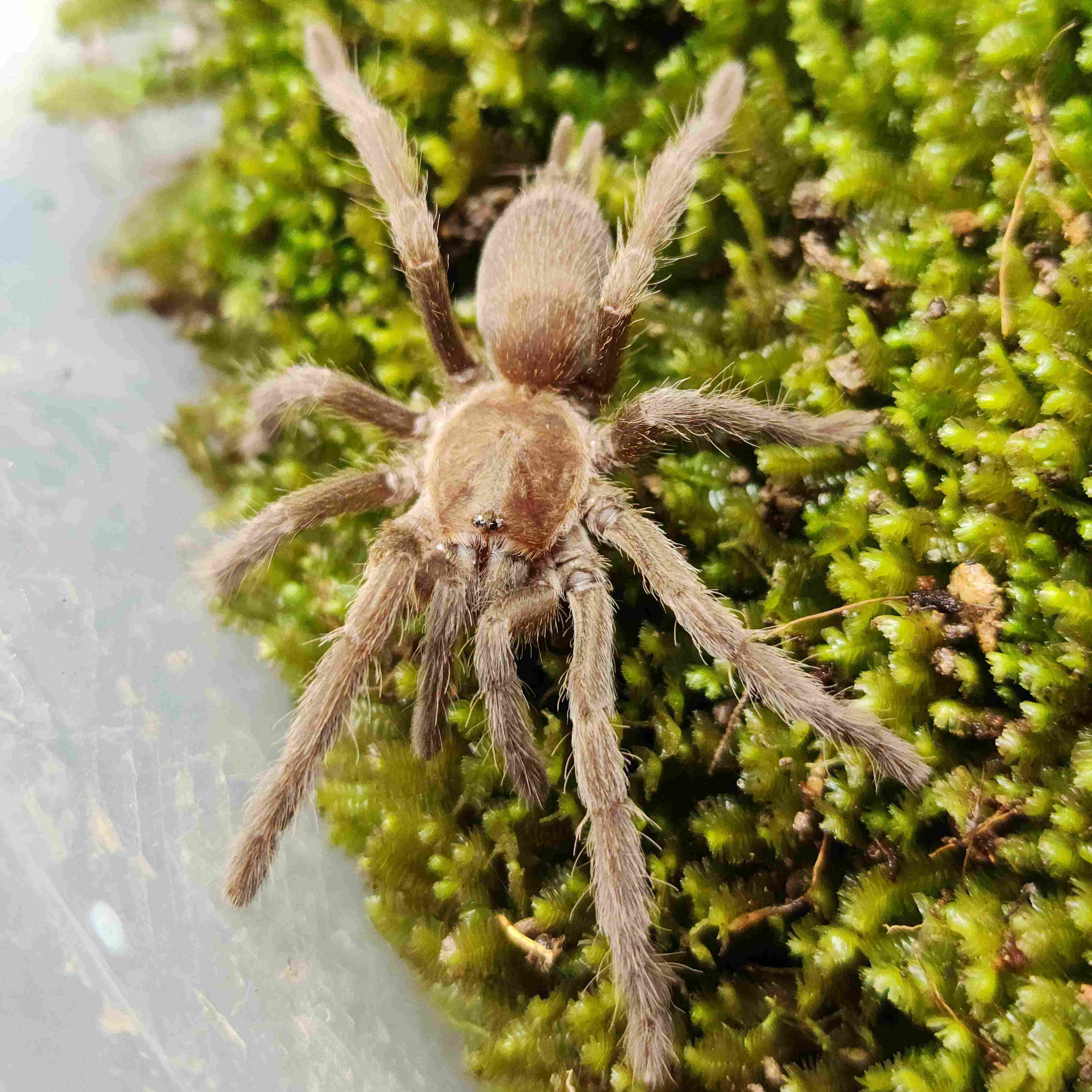
The Selenotholus Kotzman has the robust body structure characteristic of Australian tarantulas. Its earthy colouration and sturdy build reflect the understated appearance commonly seen among Australia’s native mygalomorph spiders.
Key characteristics include:
- Brown to dark brown colouration
- Robust body and thick legs
- Hair-covered body and appendages
- Ground-dwelling lifestyle
- Physical adaptations suited to burrowing and sheltered retreats
Exact colouration can vary between individual specimens, particularly with age and moulting. The Kotzman form is especially appealing to enthusiasts interested in less commonly encountered Australian tarantulas.
Natural Background
The Selenotholus Kotzman is associated with the mallee environments of western New South Wales. Mallee habitats are characterised by hardy vegetation and seasonally dry conditions, where suitable underground retreats can provide shelter from environmental extremes.
Like other Australian burrowing tarantulas, this spider benefits from a stable retreat that helps regulate its immediate environment. Although the surrounding habitat may be relatively dry, conditions within a burrow can differ significantly from those at the surface.
The name “Kotzman” is commonly used in the hobby to identify this particular form. It is best retained as a form or locality designation rather than presented as a formally confirmed species name.
Behaviour
The Selenotholus Kotzman is a terrestrial tarantula known for its burrowing lifestyle. It may spend considerable time inside its retreat, emerging to feed or explore its surroundings.
Behavioural characteristics can include:
- Burrow construction and retreat maintenance
- Spending extended periods hidden underground
- Feeding activity in response to nearby prey
- Increased activity during darker periods
- Defensive behaviour when disturbed
This species may be defensive and can react quickly when threatened. It is better suited to observation than handling, and keepers should take care during enclosure maintenance.
Selenotholus Kotzman Care
The Selenotholus Kotzman requires a secure terrestrial enclosure with sufficient substrate for burrowing and environmental conditions suited to its needs.
A suitable setup can include:
- A secure, escape-proof enclosure with a tight-fitting lid
- Deep, compactable substrate suitable for burrowing
- A stable hide or starter burrow
- A suitable moisture gradient within the substrate
- Good ventilation
- Access to a shallow water dish
- Minimal unnecessary disturbance
Despite its association with relatively dry mallee habitats, the substrate should not be allowed to become completely desiccated. A suitable burrow and a modestly moist area within the substrate can help provide a more stable microclimate.
Avoid waterlogged conditions, and ensure the enclosure is secure because Australian tarantulas can climb enclosure surfaces.
Feeding
The Selenotholus Kotzman is a carnivorous predator that can be maintained on an appropriate diet of captive feeder insects.
Suitable food items may include:
- Crickets
- Woodies
- Roaches
- Other appropriately sized feeder insects
Select prey according to the spider’s size and body condition. Feeding frequency will vary with age, temperature, growth and recent feeding history.
Remove uneaten prey when appropriate, particularly if the tarantula has stopped feeding or appears to be approaching a moult.
Moulting
Like all tarantulas, the Selenotholus Kotzman periodically sheds its exoskeleton as it grows.
During pre-moult, the spider may become less active, spend more time inside its burrow or refuse food. These changes can be normal signs of an approaching moult.
Avoid disturbing the spider during this vulnerable period and remove live prey if necessary. Allow the new exoskeleton and fangs sufficient time to harden before offering food again.
Growth & Adult Size
The Selenotholus Kotzman is an interesting species for keepers who appreciate the slower development and natural behaviour of Australian tarantulas.
Growth rate and adult size depend on factors including sex, age, feeding history, temperature and individual genetics. A precise adult leg span should not be specified without reliable measurements for the particular specimen or confirmed identification.
Providing adequate substrate and a secure retreat allows the spider to display natural burrowing behaviour throughout its development.
Why Keep the Selenotholus Kotzman?
The Selenotholus Kotzman is an appealing addition for enthusiasts interested in Australian tarantulas and distinctive locality forms.
Key features include:
- Australian tarantula associated with mallee habitats
- Distinctive Kotzman form
- Terrestrial and burrowing lifestyle
- Interesting retreat-building behaviour
- Carnivorous feeding behaviour
- A unique addition to specialist tarantula collections
- Opportunity to observe the growth and moulting process
With its interesting natural history and burrowing lifestyle, the Selenotholus Kotzman Tarantula is a fascinating species for keepers who appreciate Australia’s native arachnids. Providing a secure enclosure, suitable substrate and appropriate moisture conditions is essential to supporting its wellbeing in captivity.