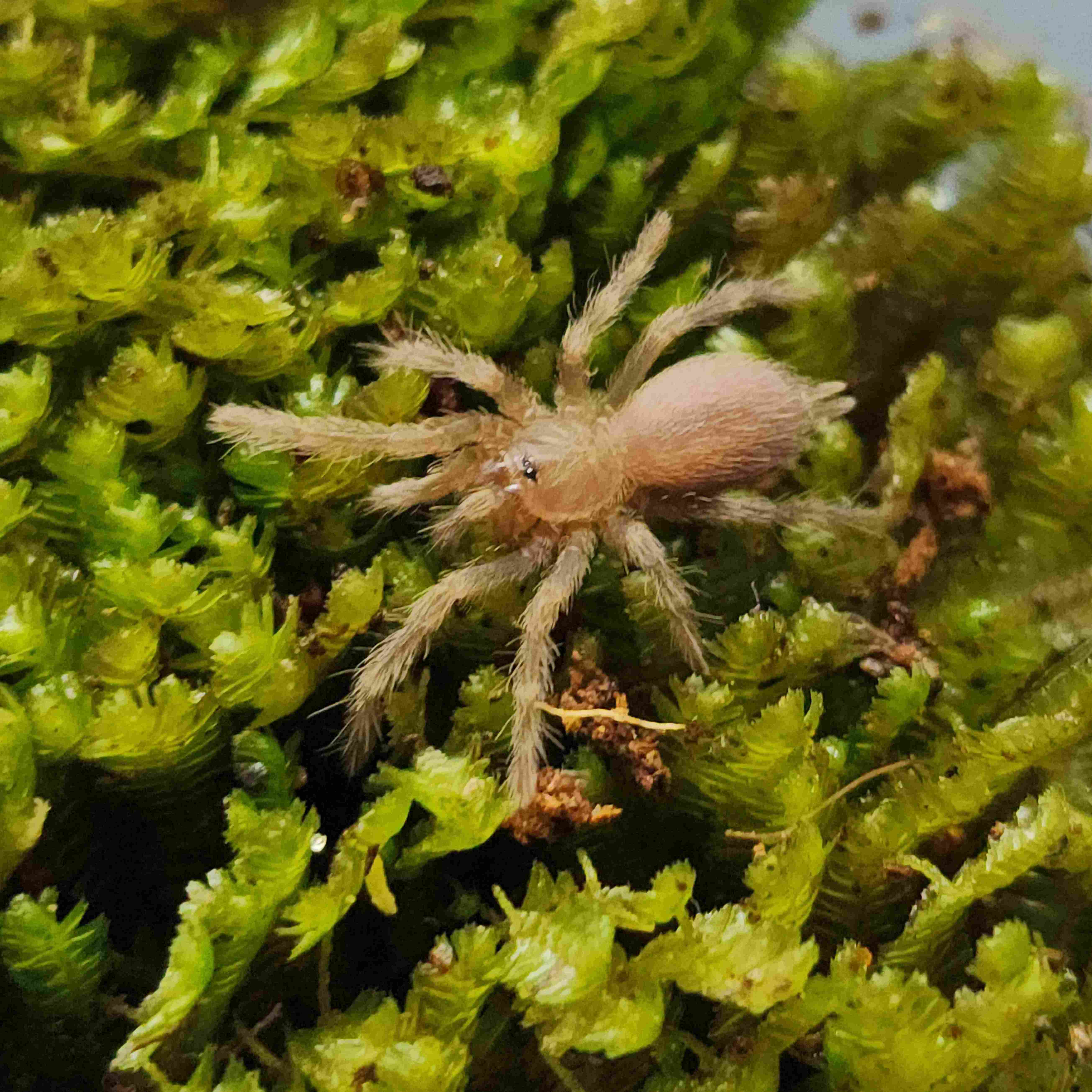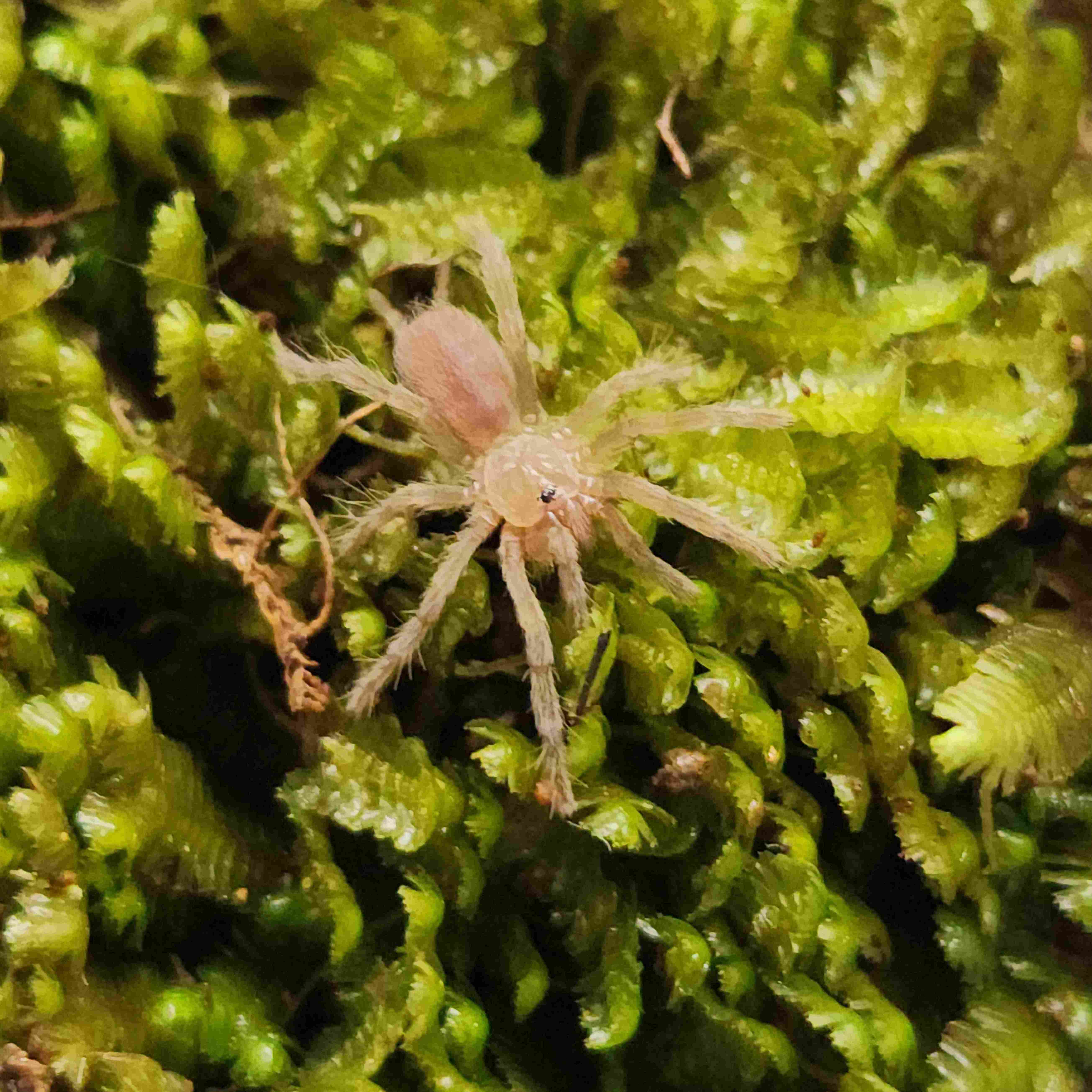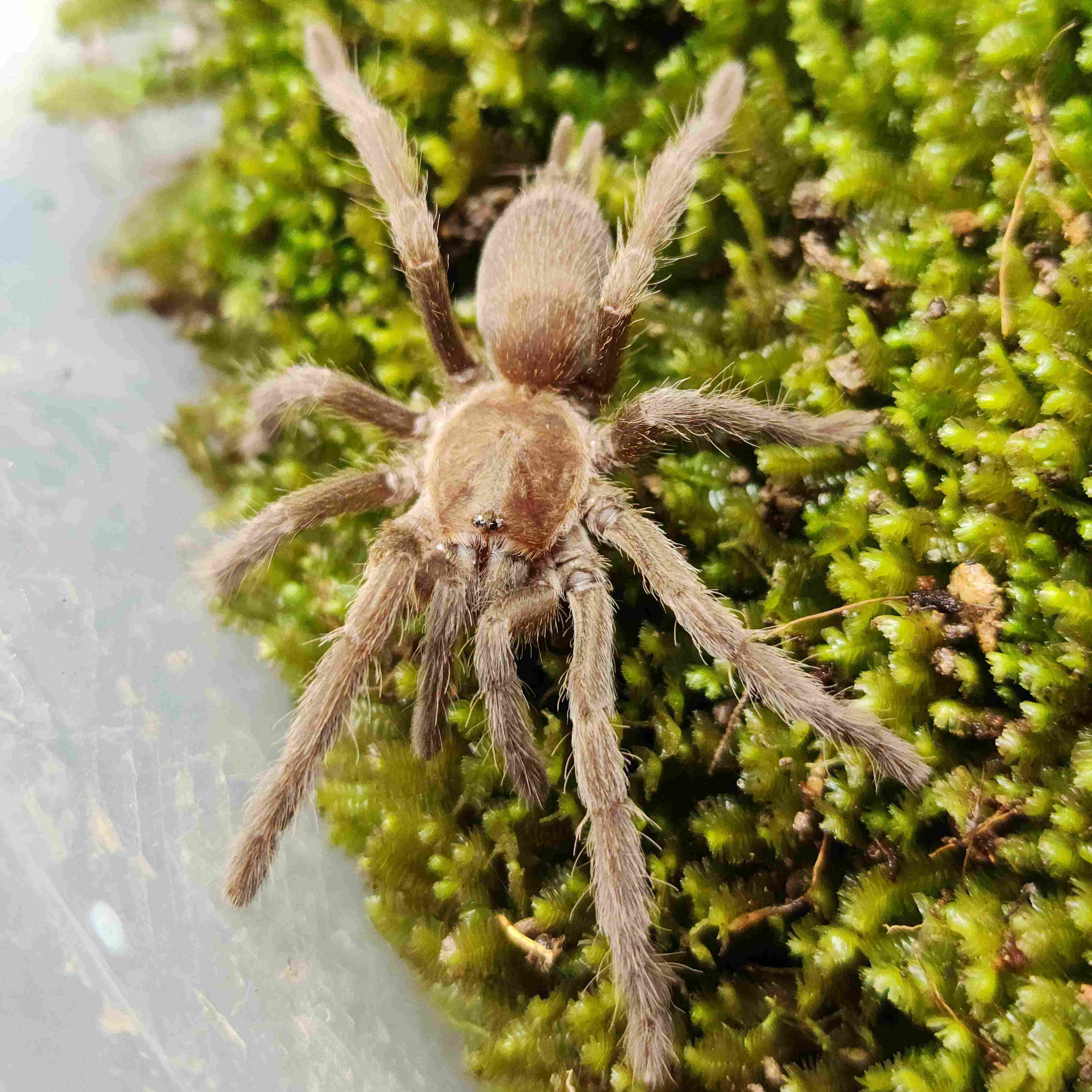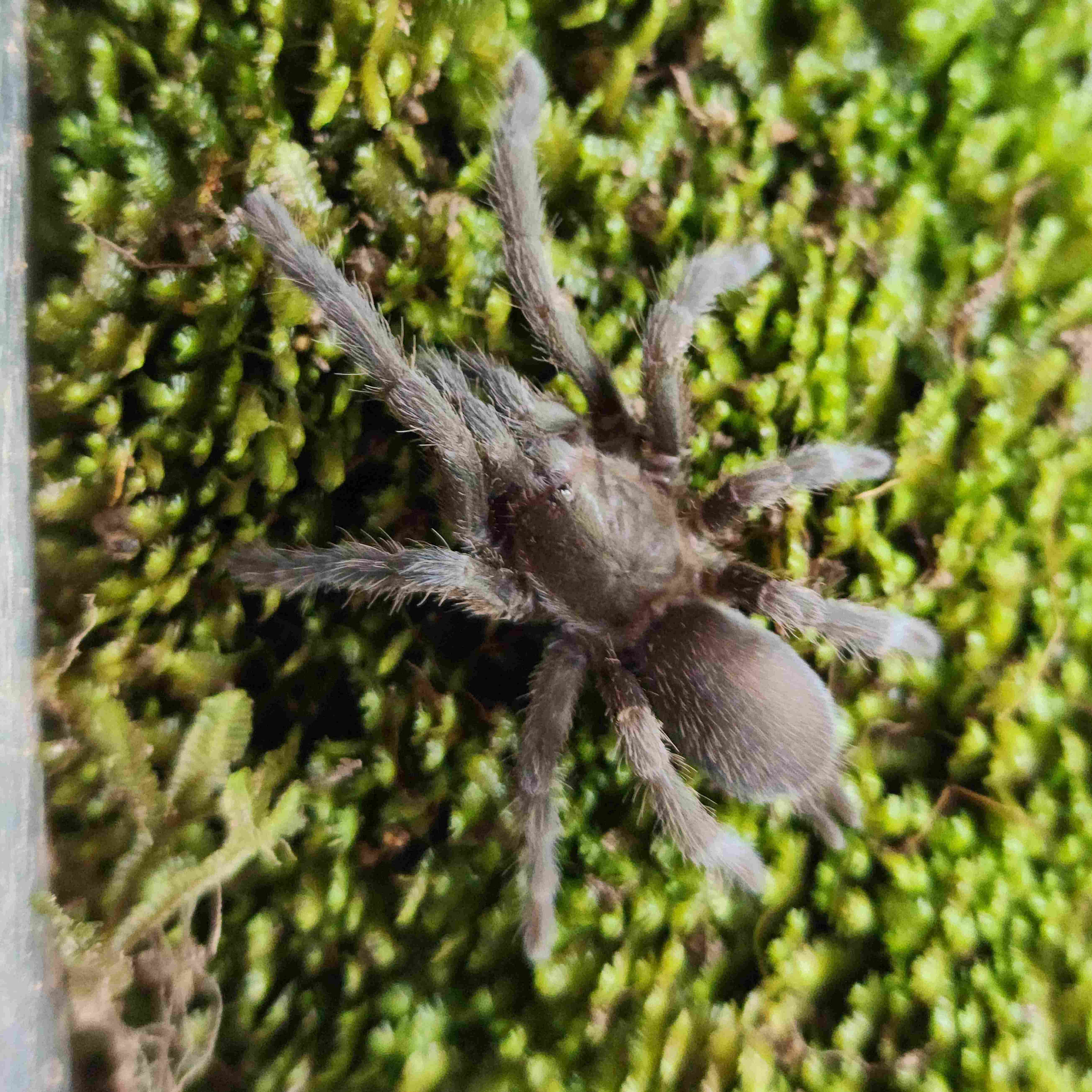
Phlogius Rubiseta Australian Tarantula
The Phlogius Rubiseta is a striking Australian tarantula known for its dramatic velvet-black body, distinctive red hairs and impressive size. Native to the rainforests of Queensland, this terrestrial tarantula is a fascinating species for keepers and collectors looking to add a visually distinctive Australian tarantula to their collection.
With its contrasting black and red colouration, robust build and nocturnal behaviour, the Phlogius Rubiseta is an impressive species that can become a standout feature in a specialist invertebrate collection.
Scientific Classification
- Scientific Name: Phlogius rubiseta
- Genus: Phlogius
- Type: Australian terrestrial tarantula
- Distribution: Queensland, Australia
- Habitat: Rainforest and humid environments
- Adult Female Size: Up to approximately 18 cm leg span
Appearance
The Phlogius Rubiseta has a particularly striking appearance, with a deep velvet-black body contrasted by distinctive reddish hairs across the abdomen and legs. This combination of dark colouration and red hairing gives the species a dramatic appearance that makes it highly desirable among tarantula keepers.
Its body is robust and covered in fine hairs, while its strong, muscular legs allow it to move efficiently when hunting or navigating its enclosure. Females can reach an impressive leg span of up to approximately 18 cm, making this a substantial and visually impressive tarantula.
The colour and intensity of the red hairs can vary between individual specimens, particularly as they mature and undergo successive moults.
Natural Habitat & Distribution
The Phlogius Rubiseta is associated with the rainforest environments of Queensland, Australia. These habitats provide the warm, humid conditions and natural shelter that terrestrial tarantulas require.
In the wild, the species would encounter leaf litter, soil, fallen timber, vegetation and other forms of natural cover. Providing similar environmental features in captivity can help create a more naturalistic enclosure.
Behaviour
Phlogius Rubiseta is primarily nocturnal, meaning it is generally most active during the evening and night. During daylight hours, it may spend much of its time concealed within its shelter or burrow.
Like other tarantulas, it is a predatory species that relies on its speed and strength to capture prey. Its diet consists primarily of insects and other small invertebrates.
Although individual temperament can vary, tarantulas should always be treated as display animals rather than pets for handling. Even species considered relatively calm can react defensively if disturbed.
Care Requirements
The Phlogius Rubiseta is best kept in a secure terrestrial enclosure designed to provide adequate floor space, ventilation, shelter and appropriate humidity.
A suitable enclosure should include:
- A deep layer of appropriate terrestrial substrate
- Cork bark or another secure hide
- A water dish
- Good ventilation
- Stable humidity appropriate for a rainforest-associated species
- Enough floor space for the tarantula to move comfortably
- Secure clips or a locking mechanism to prevent escape
The substrate should be kept appropriately humid without becoming constantly saturated or waterlogged. Good ventilation is particularly important when maintaining higher humidity levels.
As the Phlogius Rubiseta can grow to a considerable size, its enclosure should be upgraded as the tarantula develops.
Feeding
Phlogius Rubiseta is an opportunistic predator and can be fed a variety of appropriately sized live feeder insects.
Suitable foods may include:
- Crickets
- Roaches
- Woodies
- Other appropriately sized feeder insects
Adult specimens can generally be fed less frequently than younger, growing spiders. Uneaten prey should be removed when appropriate, particularly if the tarantula is preparing to moult.
Fresh drinking water should also be made consistently available.
Moulting
Like all tarantulas, Phlogius Rubiseta grows by moulting its exoskeleton. During the pre-moult period, the tarantula may become less active and may refuse food.
A tarantula preparing to moult should be left completely undisturbed. Live prey should not be left inside the enclosure during this period, as feeder insects can potentially injure a vulnerable tarantula.
Maintaining suitable humidity and providing access to clean water are important parts of successful husbandry.
Growth & Adult Size
Female Phlogius Rubiseta can reach a leg span of approximately 18 cm, making them an impressive addition to a tarantula collection.
As with other tarantulas, growth rate depends on factors including temperature, feeding, genetics, sex and overall husbandry. Females generally have a considerably longer potential lifespan than males.
Why Keep Phlogius Rubiseta?
Phlogius Rubiseta is an excellent choice for keepers interested in distinctive Australian tarantulas. Its combination of velvet-black colouration, contrasting red hairs, substantial adult size and nocturnal behaviour makes it a particularly eye-catching species.
It is well suited to experienced tarantula keepers and collectors who appreciate Australian species and want a tarantula with a dramatic appearance.
Whether kept as part of a specialist tarantula collection or maintained as a fascinating display animal, the Phlogius Rubiseta offers plenty of opportunity to observe natural predatory and nocturnal behaviour in captivity.
Phlogius Rubiseta Tarantula for Sale
The Phlogius Rubiseta is a striking Australian tarantula featuring a velvet-black body, distinctive red hairs and an impressive adult size. Native to the rainforest regions of Queensland, this nocturnal terrestrial tarantula is a fascinating species for collectors and keepers seeking a unique Australian tarantula. With proper husbandry, a secure enclosure, suitable humidity and an appropriate diet, Phlogius Rubiseta can thrive in captivity and become a standout species in any specialist invertebrate collection.