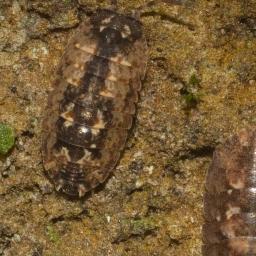
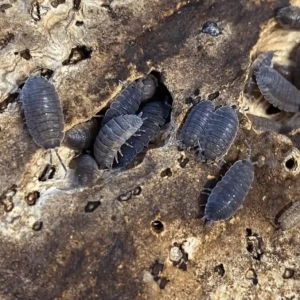
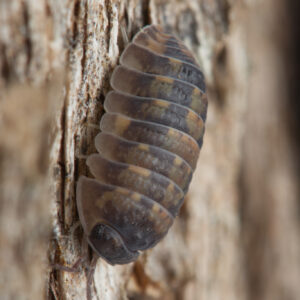
Giant Canyon Isopods (Porcellio dilatatus) Australian Isopod
Scientific Classification
-
Scientific name: Porcellio dilatatus
-
Family: Porcellionidae
-
Common name: Giant Canyon Isopod
Appearance
-
One of the larger commonly encountered woodlouse species
-
Broad, flattened body shape
-
Colour ranges from slate grey to brown
-
Prominent segmented plates with a matte texture
-
Does not roll into a tight ball
Compared to pill bugs, Porcellio dilatatus is more elongated and built for movement rather than conglobation.
Habitat & Distribution
This species thrives in a wide range of environments, including:
-
Woodland leaf litter
-
Under logs and stones
-
Compost heaps
-
Suburban gardens
They prefer moist microhabitats but tolerate moderate environmental variation, contributing to their global distribution.
Behaviour
Primarily nocturnal, Giant Canyon Isopods are active and efficient detritivores, feeding on:
-
Decaying leaves
-
Rotting wood
-
Vegetable matter
-
Organic waste
They are relatively fast-moving and rely on concealment rather than curling into a ball for defence.
Invertebrate Keeping
Because of their resilience and strong appetite, Porcellio dilatatus is popular in bioactive enclosures and clean-up crews. They require:
-
A humid area within the enclosure
-
Leaf litter and decaying wood
-
Adequate ventilation
-
A calcium source for exoskeleton health
With proper care, they reproduce readily and establish stable colonies.