Cubaris marmorata
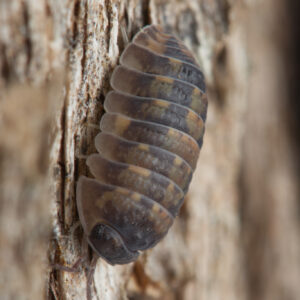
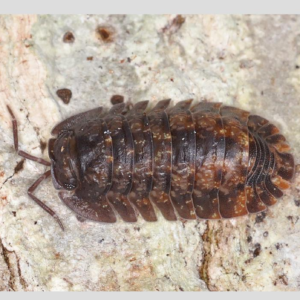
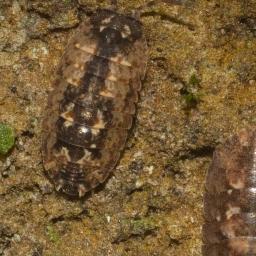
Cubaris marmorata is a beautiful Australian isopod admired for its distinctive marbled pattern, rounded body shape, and hardy nature. Its unique mottled appearance and calm temperament have made it a favourite among isopod enthusiasts, whether kept in bioactive terrariums or dedicated display colonies.
Scientific Classification
Genus: Cubaris
Family: Armadillidae
Common Name: Cubaris marmorata
Appearance
- Distinctive marbled or mottled pattern across the exoskeleton
- Colour ranges from shades of grey and charcoal to brown with lighter markings
- Smooth, rounded, armoured body
- Fully capable of conglobation (rolling into a protective ball)
The marbled markings vary slightly between individuals, giving each isopod a unique appearance.
Habitat & Distribution
Cubaris marmorata is native to Australia, where it is found in humid, sheltered habitats including:
- Beneath rotting logs and bark
- Deep leaf litter
- Moist woodland and forest floors
- Areas rich in decaying organic material
These isopods prefer stable humidity, good airflow, and plenty of natural cover.
Behaviour
Primarily nocturnal, Cubaris marmorata spends most of the day hidden beneath bark, logs, or leaf litter before emerging after dark to forage for:
- Decaying leaves
- Rotting wood
- Fungi
- Other decomposing organic matter
As detritivores, they play an important role in breaking down organic material, recycling nutrients, and maintaining healthy soil ecosystems.
When threatened, they curl into a tight ball, using their hardened exoskeleton to protect their softer underside and legs.
Invertebrate Keeping
Cubaris marmorata is an excellent addition to bioactive enclosures and isopod collections. They thrive in a warm, humid enclosure with good ventilation and an abundance of natural hiding places.
Provide:
- A humid enclosure with a slight moisture gradient
- Deep substrate rich in leaf litter and decomposing hardwood
- Cork bark, moss, and rotting wood for shelter
- Calcium sources such as cuttlebone or crushed eggshell to support healthy moulting
With the right conditions, Cubaris marmorata will establish healthy breeding colonies and become a hardy, attractive cleanup crew for naturalistic terrariums or a standout species in any isopod collection.